
Anúncios
Athleisure revolutionized modern fashion by seamlessly blending athletic functionality with everyday style, transforming how we dress and challenging traditional fashion boundaries.
🏃♀️ The Birth of a Fashion Revolution
The athleisure phenomenon didn’t emerge overnight. It was the culmination of shifting cultural attitudes toward health, comfort, and self-expression that began gaining momentum in the early 2010s. What started as people wearing yoga pants to grab coffee after a workout session evolved into a multi-billion dollar industry that fundamentally altered the fashion landscape.
Anúncios
Before athleisure became a household term, there was a clear distinction between workout clothes and street clothes. Gym attire stayed at the gym, and wearing sweatpants in public was often considered a fashion faux pas. However, as wellness culture gained prominence and celebrities were photographed leaving pilates classes in stylish athletic wear, perceptions began to shift dramatically.
The term “athleisure” itself became popularized around 2014, though the concept had been brewing for several years. Brands like Lululemon, which launched in 1998, laid the groundwork by creating yoga pants that were both functional and fashionable enough to wear beyond the studio. This was revolutionary thinking at the time, and it planted the seeds for what would become a complete fashion transformation.
Anúncios
💪 The Perfect Storm: Why Athleisure Exploded
Several cultural and societal factors converged to create the ideal conditions for athleisure’s meteoric rise. Understanding these elements helps explain why this trend wasn’t just another flash-in-the-pan fashion moment but rather a fundamental shift in how we approach everyday dressing.
The Wellness Movement Goes Mainstream
As fitness and wellness became increasingly prioritized in mainstream culture, people began integrating exercise into their daily routines more than ever before. Boutique fitness studios proliferated in urban centers, offering everything from cycling to barre classes. This new fitness culture demanded clothing that could transition seamlessly from workout to work to weekend activities.
The rise of fitness influencers on social media platforms amplified this trend exponentially. Instagram became flooded with images of toned bodies in stylish athletic wear, creating aspirational content that drove consumer demand. Fitness wasn’t just about health anymore; it became a lifestyle statement and a form of personal branding.
The Comfort Revolution in Corporate Culture
Simultaneously, workplace dress codes began relaxing, particularly in tech-driven industries and startup culture. The traditional suit-and-tie environment gave way to more casual expectations, and comfort became valued alongside professionalism. This shift created space for athleisure pieces to infiltrate the work wardrobe without raising eyebrows.
Remote work, which has only accelerated since 2020, further cemented athleisure’s position in everyday fashion. When your commute involves walking from your bedroom to your home office, the appeal of clothing that offers both comfort and presentability becomes undeniable.
👟 From Niche to Mainstream: The Fashion Industry’s Response
As consumer demand for athleisure exploded, the fashion industry took notice. What followed was a remarkable transformation as luxury brands, fast fashion retailers, and athletic companies alike scrambled to capture market share in this burgeoning category.
Luxury Brands Enter the Arena
High-end fashion houses that once would never have touched sportswear began creating their own athleisure collections. Stella McCartney partnered with Adidas to create luxury athletic wear. Alexander Wang collaborated with H&M on sporty collections. Even Chanel and Louis Vuitton incorporated athletic elements into their runway shows, featuring sneakers, joggers, and performance fabrics alongside traditional luxury pieces.
This convergence of high fashion and athletic wear legitimized athleisure as a serious fashion category rather than just a casual trend. When you could purchase designer leggings for hundreds of dollars, athleisure had clearly transcended its humble gym origins.
Athletic Brands Become Fashion Powerhouses
Traditional athletic brands underwent their own transformation. Nike, Adidas, and Under Armour recognized that their customers wanted products that worked beyond the gym. They invested heavily in fashion-forward designs, hiring top designers and collaborating with celebrities and influencers to create limited-edition collections that sold out instantly.
Collaborations became particularly powerful marketing tools. Kanye West’s Yeezy line with Adidas, Beyoncé’s Ivy Park, and Rihanna’s Fenty Puma collection blurred the lines between celebrity fashion and athletic performance wear, creating unprecedented hype and demand.
🎨 The Design Elements That Define Athleisure
Athleisure isn’t simply about wearing workout clothes outside the gym. It represents a sophisticated approach to design that balances multiple priorities simultaneously. Understanding these design principles helps explain why athleisure pieces feel distinctly different from traditional athletic wear or casual fashion.
Performance Fabrics Meet Fashion Sensibility
The technical innovations that make athleisure possible cannot be overstated. Modern performance fabrics offer moisture-wicking properties, four-way stretch, compression support, and breathability while maintaining a sleek, fashionable appearance. Materials like Lululemon’s proprietary Luon fabric or Nike’s Dri-FIT technology provide functionality without sacrificing aesthetics.
These fabrics also offer practical benefits beyond athletics. They’re often wrinkle-resistant, quick-drying, and durable—qualities that appeal to busy individuals who want clothing that works as hard as they do. The marriage of form and function represents athleisure’s core value proposition.
Versatile Silhouettes and Strategic Styling
Successful athleisure pieces share certain design characteristics that make them appropriate for multiple settings:
- Clean lines and minimal branding that avoid an overly sporty appearance
- Neutral color palettes that coordinate easily with non-athletic pieces
- Thoughtful details like hidden pockets, flattering seams, and adjustable features
- Silhouettes that flatter various body types while offering comfort and mobility
- Fabrics with enough structure to look polished rather than sloppy
The key is creating pieces that don’t scream “I just left the gym” but rather suggest an active, health-conscious lifestyle. This subtle distinction makes all the difference in athleisure’s versatility.
🌍 The Cultural Impact Beyond Fashion
Athleisure’s influence extends far beyond clothing choices, reflecting and reinforcing broader cultural shifts in how we think about health, productivity, and self-care. This movement has fundamentally altered our relationship with fashion and what we expect from our wardrobes.
Redefining Professionalism and Dress Codes
The acceptance of athleisure in professional settings represents a significant cultural shift. While traditional industries like law and finance maintain stricter dress codes, many workplaces now embrace athleisure-inspired attire. Elevated joggers paired with blazers, sleek sneakers with tailored pants, and performance-fabric tops have become acceptable office wear in many contexts.
This evolution reflects changing attitudes about productivity and professionalism. The idea that comfort and performance are incompatible with serious work has been thoroughly debunked. If anything, the athleisure movement suggests that physical comfort supports mental performance rather than detracting from it.
Gender-Neutral Fashion and Inclusivity
Athleisure has also contributed to the growth of gender-neutral fashion. Many athleisure pieces—joggers, hoodies, sneakers—translate easily across traditional gender boundaries. This has opened up conversations about fashion inclusivity and challenged the rigid gender divisions that characterized traditional fashion for decades.
Additionally, the focus on diverse body types in athleisure marketing has pushed the fashion industry toward greater size inclusivity. Brands recognized early that athletic wear needed to accommodate real bodies engaged in real activities, leading to expanded size ranges and more diverse representation in advertising.
💰 The Economics of Athleisure: A Booming Industry
The financial success of athleisure has been staggering. The global athleisure market was valued at approximately $155 billion in 2020 and is projected to reach $257 billion by 2026, according to various market research reports. These figures reflect not just a fashion trend but a fundamental market restructuring.
Traditional department stores have struggled while athleisure-focused brands have thrived. Lululemon’s market capitalization surpassed that of long-established fashion retailers, demonstrating investors’ confidence in the category’s staying power. Even during economic downturns, athleisure has shown remarkable resilience, suggesting that consumers view these purchases as essential rather than discretionary.
The direct-to-consumer model adopted by many athleisure brands has disrupted traditional retail distribution channels. Companies like Gymshark built billion-dollar businesses almost entirely through social media marketing and online sales, bypassing traditional retail altogether and maintaining higher profit margins.
👗 How to Style Athleisure: Practical Fashion Tips
Successfully incorporating athleisure into everyday wardrobes requires understanding the fine line between stylish and sloppy. The goal is looking intentionally fashionable rather than like you simply rolled out of bed or forgot to change after exercising.
Balancing Athletic and Traditional Pieces
The most effective athleisure outfits typically pair athletic pieces with more traditional fashion items. Consider these combinations:
- Sleek leggings with an oversized blazer and ankle boots
- Joggers with a structured button-down shirt and loafers
- A sporty tank top layered under a denim jacket with sneakers
- Track pants with a cashmere sweater and statement accessories
- A hoodie styled with tailored trousers and elevated sneakers
The contrast between athletic and refined elements creates visual interest while maintaining the comfort that makes athleisure appealing. Aim to balance proportions as well—if you’re wearing loose joggers on bottom, consider a more fitted top, and vice versa.
Accessorizing Athleisure Outfits
Accessories can elevate athleisure outfits from gym-ready to street-appropriate. A quality leather backpack, structured handbag, or crossbody bag adds sophistication. Sunglasses, watches, and minimal jewelry provide polish without contradicting the casual vibe. The key is choosing accessories that feel intentional rather than afterthoughts.
🔮 The Future of Athleisure: What Comes Next
As athleisure matures as a fashion category, several trends are emerging that suggest where this movement might head in coming years. Rather than fading away, athleisure continues evolving and adapting to changing consumer needs and technological innovations.
Sustainability and Ethical Production
Consumers increasingly demand transparency about how their clothing is made and what environmental impact it carries. Forward-thinking athleisure brands are responding with recycled materials, carbon-neutral production processes, and ethical labor practices. Companies like Girlfriend Collective and Patagonia are leading the way, proving that performance wear can be both functional and environmentally responsible.
This sustainability focus isn’t just good ethics—it’s good business. Younger consumers particularly prioritize environmental considerations in purchasing decisions, making sustainability a competitive advantage rather than a niche concern.
Smart Fabrics and Wearable Technology Integration
The next frontier in athleisure involves integrating technology directly into fabrics. Smart textiles that monitor heart rate, track movement, or even change properties based on temperature are moving from concept to reality. As these technologies become more sophisticated and affordable, expect athleisure to offer increasingly personalized functionality.
This technological integration could further blur the lines between fashion, fitness, and wellness, creating clothing that doesn’t just look good and feel comfortable but actively contributes to health monitoring and optimization.
🎯 Why Athleisure Is Here to Stay
Some fashion insiders initially dismissed athleisure as a temporary trend that would eventually give way to more traditional fashion sensibilities. However, all evidence suggests that athleisure represents a permanent shift in how we approach everyday dressing rather than a passing fad.
The reasons for athleisure’s staying power are fundamental rather than superficial. This clothing category addresses real needs—comfort, versatility, functionality—that don’t change with seasonal trends. It reflects genuine cultural shifts toward prioritizing wellness, work-life balance, and authenticity over rigid dress codes and discomfort.
Moreover, athleisure has proven adaptable to changing circumstances. The COVID-19 pandemic, which might have threatened fashion categories dependent on social events and office culture, actually accelerated athleisure’s growth as people sought comfortable clothing for home-based lifestyles without sacrificing style entirely.
The fashion industry has also fully embraced athleisure, investing billions in research, development, and marketing. This institutional commitment suggests confidence that athleisure isn’t going anywhere. As technology improves and design sophistication increases, athleisure will likely become even more integrated into mainstream fashion rather than reverting to its niche origins.
🌟 Embracing Comfort Without Sacrificing Style
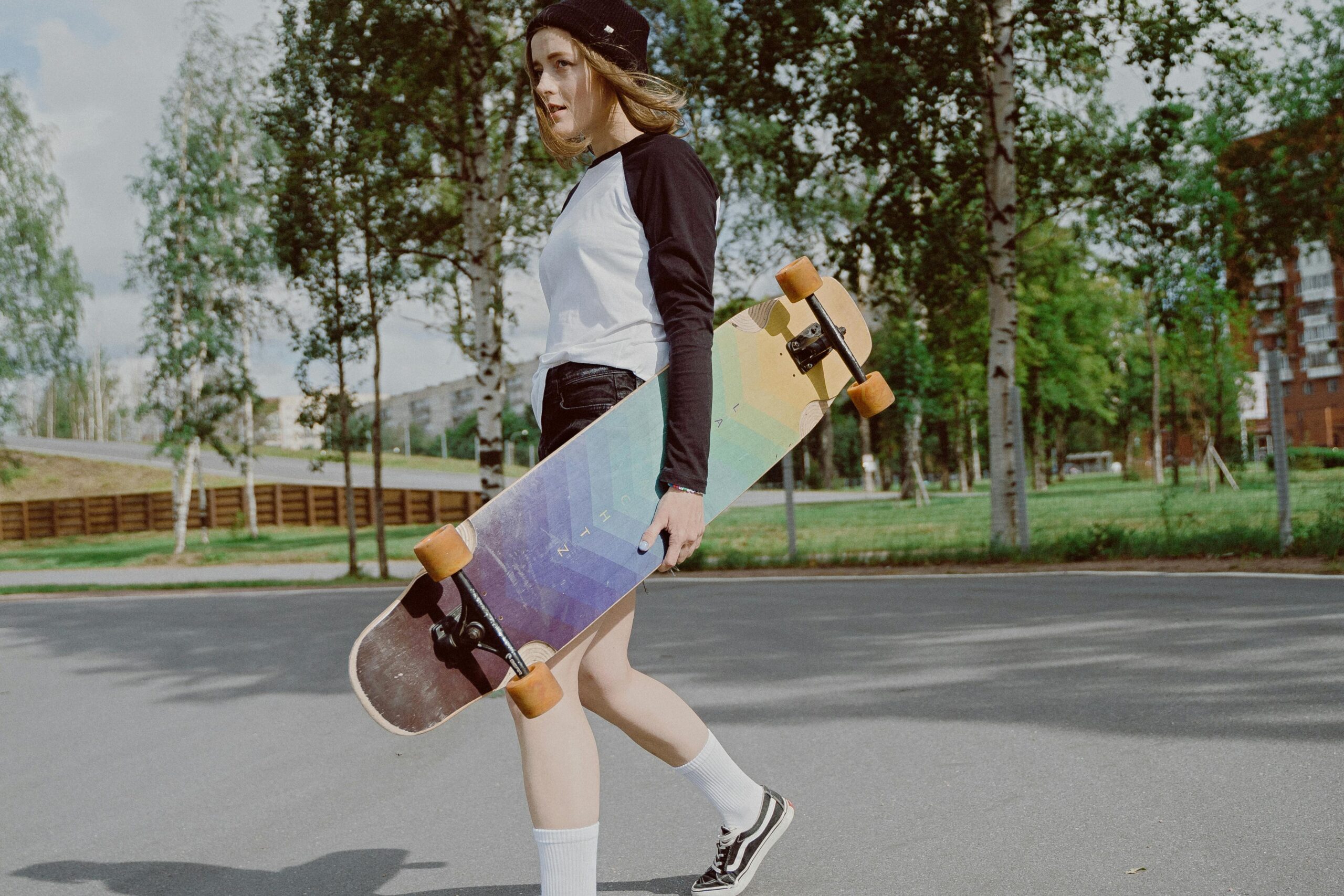
The athleisure revolution ultimately represents something more profound than just a fashion trend. It symbolizes a cultural recalibration of values, prioritizing personal well-being, authenticity, and practical functionality alongside aesthetic appeal. This movement has empowered people to dress in ways that support their lifestyles rather than conforming to outdated expectations about appropriate attire.
For individuals navigating modern life’s demands—balancing work responsibilities, fitness goals, social commitments, and personal time—athleisure offers a practical solution. The ability to move seamlessly between different activities without constantly changing outfits represents a real quality-of-life improvement, not mere laziness or fashion regression.
As we look forward, athleisure’s influence will likely continue expanding and evolving. New materials, innovative designs, and changing cultural attitudes will shape how this category develops. But the core principles that made athleisure successful—comfort, versatility, quality, and style—will remain relevant regardless of specific trends.
The athleisure takeover isn’t about abandoning fashion or rejecting style. Instead, it’s about expanding our definition of what fashionable clothing can be and recognizing that looking good shouldn’t require sacrificing comfort or functionality. This democratization of fashion has made style more accessible and personal, allowing individuals to express themselves authentically while living actively and comfortably. That’s a fashion revolution worth celebrating.
