
Anúncios
Belts have evolved far beyond their original purpose of holding up trousers, transforming into one of fashion’s most versatile and transformative accessories that can instantly elevate any outfit.
The Renaissance of the Belt: From Necessity to Statement Piece 👗
In the ever-evolving landscape of fashion, few accessories possess the transformative power of a well-chosen belt. What was once considered merely a functional item has emerged as a cornerstone of contemporary styling, capable of reshaping silhouettes, adding visual interest, and expressing personal style in ways that few other accessories can match. The modern belt transcends its humble origins, serving as a bridge between practicality and high fashion, between casual ease and polished sophistication.
Anúncios
Fashion historians trace the decorative use of belts back centuries, but it’s in recent decades that designers and style enthusiasts have truly unlocked their potential as styling tools. From the runways of Paris to street style photography in Tokyo, belts have claimed their rightful place as essential elements in the fashion-forward wardrobe. This shift represents more than a trend—it signals a fundamental reimagining of how we approach getting dressed and expressing ourselves through clothing.
Understanding the Anatomy of Belt Styling Excellence
The power of belts lies in their remarkable versatility and their ability to work with virtually every garment in your wardrobe. Unlike many accessories that complement specific outfit types, belts function as universal styling tools that adapt to countless aesthetic directions. Whether you’re working with structured tailoring, flowing bohemian pieces, or minimalist basics, there’s a belt styling technique that can enhance your look.
Anúncios
The Silhouette Revolution: Defining Your Shape ✨
Perhaps the most significant impact belts have on styling comes from their ability to create or emphasize waistlines. This seemingly simple function carries profound implications for how clothing drapes on the body and how proportions are perceived. A strategically placed belt can transform an oversized shirt into a dress with defined structure, turn a shapeless sweater into a statement piece with feminine curves, or add visual interest to a monochromatic ensemble.
The concept of waist definition extends beyond traditional belt placement at the natural waist. Contemporary styling embraces belts worn at various heights—from high-waisted positioning that elongates the legs and creates vintage-inspired proportions, to hip-slung placements that evoke relaxed, bohemian vibes. Each placement tells a different style story and flatters different body types in unique ways.
Material Matters: Choosing the Right Texture and Finish
The material composition of your belt dramatically influences both its aesthetic impact and its appropriate styling contexts. Leather remains the classic choice, offering durability and timeless appeal that works across casual and formal settings. Different leather treatments—from smooth and polished to distressed and matte—create distinct visual effects and pair better with certain outfit styles.
Beyond leather, the world of belt materials has expanded dramatically. Chain belts add glamorous edge and work beautifully over evening wear or to toughen up delicate dresses. Fabric belts, including grosgrain ribbon styles, offer softness and color variety that complements feminine silhouettes. Woven and braided options bring texture and casual sophistication, perfect for summer ensembles and relaxed styling. Metal belts make bold statements and pair exceptionally well with minimalist outfits that need a focal point.
Strategic Styling Techniques That Transform Outfits 🎨
The Oversized Transformation Method
One of the most effective belt styling techniques involves using belts to transform oversized or shapeless garments into fitted, intentional-looking pieces. This approach has become increasingly relevant as oversized silhouettes dominate fashion trends. A blazer borrowed from the men’s department becomes a chic dress when cinched with a statement belt. An oversized sweater gains structure and style when belted at the waist, creating interesting volume contrasts between the bloused upper portion and defined waistline.
This technique works particularly well with shirts and button-downs. Instead of tucking a shirt traditionally, try wearing it loose and adding a belt over it. This creates a relaxed yet polished aesthetic that feels modern and effortlessly stylish. The key is choosing belt widths that complement the scale of the garment—wider belts for chunkier knits and oversized pieces, narrower belts for lighter fabrics and less dramatic transformations.
Layering Belts for Dimensional Interest
Advanced stylists often employ belt layering techniques to create unique, personalized looks. This might involve wearing a thin belt alongside a wider one, creating visual dimension and texture. Another approach pairs a leather belt with a chain belt for an edgy, mixed-material effect. While this technique requires careful balance to avoid overwhelming an outfit, when executed well, it showcases sophisticated styling sensibility and creative confidence.
The Dress Enhancement Strategy
Dresses present perhaps the most canvas-like opportunity for belt styling. A simple sheath dress transforms dramatically with different belt choices—a thin metallic belt creates sleek minimalism, while a wide leather belt adds structure and boldness. Flowing maxi dresses gain definition and prevent overwhelming petite frames when belted at the natural waist or just below the bust for empire waist effects.
Shirt dresses and wrap dresses often come with their own belts, but swapping these for alternative options can completely change the garment’s personality. Replace a matching fabric belt with a contrasting leather option for added dimension, or swap a thin belt for a wider statement piece to shift from casual to sophisticated styling.
Color Coordination and Contrast Strategies 🌈
The color relationship between your belt and the rest of your outfit significantly impacts the overall aesthetic effect. Traditional styling rules suggested matching belts to shoes, and while this creates cohesive, polished looks, contemporary fashion embraces more creative approaches.
Monochromatic Belt Styling
Wearing a belt in the same color family as your outfit creates seamless, elongating effects that work particularly well for petite frames or when aiming for sophisticated minimalism. A black belt on a black dress maintains unbroken lines while adding textural interest through different materials. This approach allows the silhouette enhancement to take center stage without color distraction.
Contrasting Color Techniques
Conversely, contrasting belts create focal points and add visual excitement to simple outfits. A red belt on a neutral dress draws the eye to the waist and injects personality into an otherwise understated look. Metallic belts—gold, silver, or rose gold—offer versatile contrast options that work across color palettes while maintaining sophistication.
When working with patterned garments, pulling a color from the pattern for your belt choice creates cohesion and demonstrates thoughtful styling. This technique helps complex patterns feel intentional rather than chaotic and shows attention to detail that elevates overall presentation.
Belt Width Selection: The Proportions Principle
Belt width dramatically affects both comfort and aesthetic impact, making this decision crucial to successful styling. Understanding how different widths work with various body types and garments ensures flattering, balanced results.
Wide Belts: Making Bold Statements
Wide belts, typically measuring three inches or more, create dramatic waist definition and work exceptionally well over loose garments. They function almost like corsets, creating hourglass silhouettes from shapeless pieces. These bold accessories work best on taller frames or longer torsos, as they occupy significant vertical space. When styling wide belts, keep other accessories minimal to avoid overwhelming your look with competing focal points.
Medium Width: The Versatile Middle Ground
Belts in the one-and-a-half to three-inch range offer versatility that works across body types and styling contexts. They provide waist definition without dominating an outfit, making them excellent choices for everyday styling. This width category includes most classic belt styles and offers the broadest application across different garments and occasions.
Thin Belts: Subtle Sophistication
Narrow belts under one-and-a-half inches provide gentle waist definition while maintaining understated elegance. They work beautifully with delicate dresses, lightweight fabrics, and when you want to add interest without creating bold contrast. Thin belts also layer well with cardigans and jackets, providing subtle definition that enhances rather than dominates an outfit.
Seasonal Belt Styling Adaptations ☀️❄️
Belt styling naturally adapts to seasonal changes in both wardrobe composition and aesthetic preferences. Understanding these seasonal variations helps maintain fresh, appropriate styling year-round.
Spring and Summer Belt Strategies
Warmer months invite lighter materials and brighter colors in belt choices. Fabric belts, woven styles, and chain designs work beautifully with flowing summer dresses and lightweight separates. This season embraces waist-defining strategies that create feminine silhouettes in breezy fabrics. Colorful belts add vibrancy to neutral summer basics, while metallic options catch sunlight and add glamorous touches to evening looks.
Belt bags or fanny packs, worn as belts, also peak in popularity during warmer months when hands-free convenience becomes particularly appealing for outdoor activities and travel.
Fall and Winter Belt Approaches
Colder seasons see belts playing crucial roles in layering strategies. Belting coats and cardigans creates structure in bundled outfits that might otherwise appear bulky. Leather belts in rich autumn tones—cognac, burgundy, forest green—complement fall color palettes beautifully. Over sweater dressing becomes a signature cold-weather styling technique, with belts transforming chunky knits into defined, flattering silhouettes.
Winter also invites luxurious belt materials like suede and hardware-heavy designs that pair well with boots and structured outerwear. Wide belts over long coats create dramatic, fashion-forward statements perfect for the season’s more structured aesthetic.
Professional Styling: Belts in Work Wardrobes 💼
Belts play important roles in professional dressing, adding polish and personality within workplace dress code parameters. The key lies in choosing appropriate styles and applying them with sophistication rather than distraction.
Classic leather belts in neutral colors remain workplace staples, offering timeless professionalism that works across industries. For conservative environments, subtle belt styling—matching leather to shoes, choosing moderate widths, selecting understated hardware—maintains appropriate professionalism while still defining silhouettes.
Creative industries allow more expressive belt choices. Statement buckles, interesting textures, or unexpected colors can showcase personality while maintaining professional polish. Belting blazers and cardigans demonstrates styling sophistication that elevates standard work attire into fashion-conscious ensembles.
Investment Strategies: Building Your Belt Collection
Strategic belt collecting ensures you have appropriate options for diverse styling needs without unnecessary redundancy. A well-curated collection typically includes several foundational pieces supplemented by trend-driven or personality-expressing additions.
Essential Belt Foundation
Every wardrobe benefits from certain belt basics that work across multiple styling scenarios. A medium-width black leather belt with simple hardware provides versatile styling for countless outfits. A brown leather option in a neutral tone offers similar versatility for warmer color palettes. A thin metallic belt—gold or silver depending on your jewelry preferences—adds polish to dresses and creates interest in monochromatic looks.
Personality and Trend Pieces
Beyond basics, collect belts that express your personal style or explore current trends. This might include a statement buckle belt, a colorful option in your favorite shade, or a unique texture like woven leather or embellished fabric. These pieces inject personality into outfits and keep your styling feeling current and expressive.
Care and Maintenance: Preserving Your Investment 🔧
Proper belt care extends their lifespan and maintains their appearance, protecting your investment in quality accessories. Leather belts benefit from occasional conditioning that prevents cracking and maintains suppleness. Store belts hung or rolled rather than folded to prevent permanent creasing. Keep hardware polished and replace worn buckles when possible rather than discarding entire belts.
For fabric and specialty belts, follow material-specific care instructions. Many can be spot-cleaned, while some require professional cleaning. Proper storage away from direct sunlight prevents fading and material degradation.
Body Type Considerations: Flattering Belt Strategies
While belts work for all body types, understanding which styles and techniques flatter your particular shape enhances results and builds styling confidence.
Those with defined waists often find that emphasizing this feature with belts creates balanced, flattering proportions. Medium to wide belts work particularly well, drawing attention to the narrowest point. For straighter body types, belts create the illusion of waist definition, with strategic placement and width selection making significant differences in perceived proportions.
Petite frames benefit from thin to medium width belts that define without overwhelming smaller statures. Placing belts at the natural waist rather than hips helps elongate legs and create balanced proportions. Taller individuals can carry wider belts and more dramatic styling without proportion concerns.
Contemporary Trends: Current Belt Styling Movements 🔥
Fashion continuously evolves, and belt styling trends reflect broader movements in contemporary aesthetics. Currently, corset-style belts create dramatic waist definition with their wide, structured designs inspired by historical undergarments. Double belt styling—wearing two belts simultaneously at different placements—creates editorial-worthy looks that showcase advanced styling sensibility.
Logo belts from luxury brands make strong comebacks periodically, offering brand recognition alongside functionality. Chain belts continue evolving with new interpretations ranging from delicate jewelry-like pieces to chunky, industrial-inspired designs. Belting everything from blazers to coats to oversized shirts remains popular, reflecting ongoing appreciation for defined silhouettes within relaxed, oversized fashion trends.
Breaking Traditional Rules: Creative Belt Applications
Contemporary styling increasingly embraces unconventional belt applications that challenge traditional fashion rules. Wearing belts with unexpected garments or in unusual ways creates distinctive, memorable looks that showcase creativity and confidence.
Consider belting over one shoulder for asymmetrical interest, or wearing a belt as a harness-style accessory over plain t-shirts. Some stylists create bag straps from belts or use them as unconventional jewelry pieces. While these approaches won’t suit every occasion or personal style, they demonstrate the endless creative possibilities belts offer beyond conventional applications.
The Sustainable Styling Advantage ♻️
From sustainability perspectives, belts offer remarkable value by extending wardrobe versatility without requiring new garment purchases. A single belt can transform multiple existing pieces, effectively multiplying your wardrobe options. This approach aligns with sustainable fashion principles that prioritize versatility and longevity over constant acquisition.
Quality belts also represent worthwhile investments that last years or even decades with proper care, contrasting sharply with fast fashion’s disposable approach. Choosing well-made belts in classic styles ensures they remain relevant across changing trends while developing attractive patinas that add character over time.
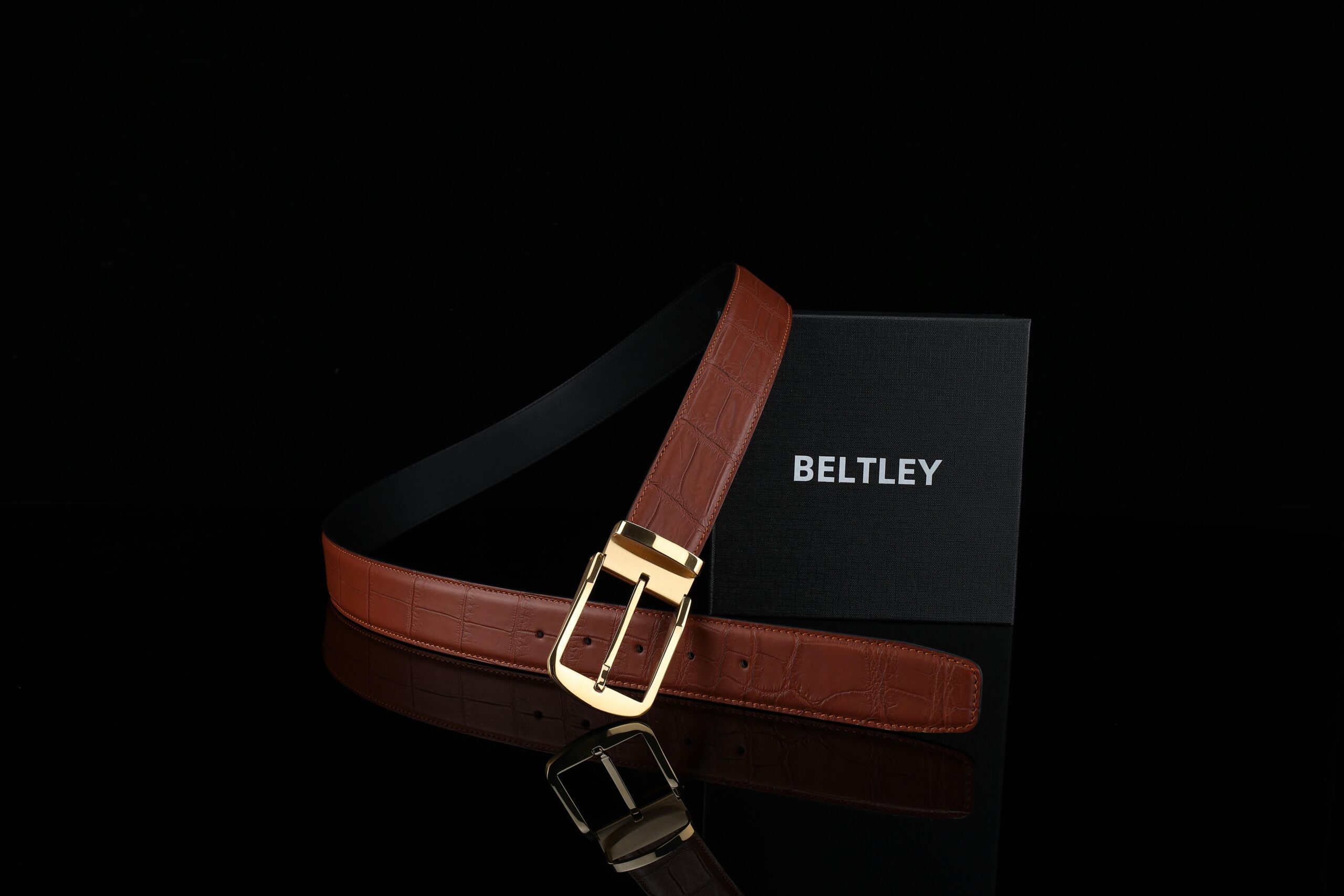
Unleashing Your Belt Styling Potential
The journey from viewing belts as purely functional items to embracing them as powerful styling tools opens remarkable creative possibilities. This shift in perspective transforms getting dressed from routine task to creative expression, where simple accessories create dramatic differences in how outfits look and feel.
Successful belt styling requires experimentation and willingness to try techniques outside your comfort zone. Start with basic approaches—belting an oversized shirt or adding definition to a dress—then gradually explore more advanced techniques as your confidence grows. Pay attention to how different belt choices affect not just your outfit’s appearance but also how you feel wearing it, as this emotional response guides developing your authentic personal style.
Remember that styling rules exist as guidelines rather than restrictions. While understanding principles around proportion, color coordination, and body type considerations provides helpful frameworks, personal style ultimately trumps rigid rules. If a belt styling technique makes you feel confident and expresses your aesthetic vision, that validation matters more than adherence to traditional fashion prescriptions.
The accessibility of belt styling makes it particularly valuable for those developing their fashion sense or working with limited budgets. Unlike complete outfit overhauls, adding or changing a belt requires minimal investment while delivering maximum impact. This efficiency makes belts ideal entry points for exploring personal style and understanding how accessories transform looks.
As you develop your belt styling practice, document combinations that work particularly well for your body type, lifestyle, and aesthetic preferences. Over time, you’ll develop instinctive understanding of which belts work with which garments and occasions, streamlining your getting-ready process while maintaining creative freshness in your daily styling.
The power of belts extends beyond individual styling to broader fashion conversations about creativity, self-expression, and the democratization of style. These accessible accessories prove that transformative fashion need not require luxury price points or extensive wardrobes—sometimes, the right belt at the right moment creates all the elevation an outfit needs. Embrace belts as the ultimate styling tool they truly are, and watch your wardrobe possibilities expand exponentially.
