
Anúncios
Scarves are more than just fabric accessories—they’re transformative style tools that can elevate any outfit from ordinary to extraordinary with a simple drape or knot.
✨ The Timeless Appeal of Scarves in Fashion
Throughout fashion history, scarves have maintained their position as one of the most versatile and enduring accessories in anyone’s wardrobe. From Hollywood icons draping silk squares over their hair to modern fashionistas wrapping oversized blanket scarves around their shoulders, these pieces continue to captivate style enthusiasts worldwide. The beauty of scarves lies not just in their aesthetic appeal but in their remarkable ability to completely transform your appearance with minimal effort.
Anúncios
Unlike many fashion trends that come and go, scarves transcend seasons, occasions, and style preferences. Whether you’re dressing for a casual brunch, a professional meeting, or an elegant evening event, there’s always a scarf styling technique that perfectly complements your look. The versatility of scarves makes them an invaluable investment piece that delivers endless returns in style dividends.
🎨 Understanding Scarf Materials and Their Impact
The material of your scarf dramatically influences both its appearance and functionality. Silk scarves exude luxury and elegance, draping beautifully while adding a sophisticated touch to any ensemble. Their lightweight nature makes them perfect for warmer months, and the lustrous finish catches light in ways that draw attention to your neckline and face.
Anúncios
Cotton scarves offer breathability and comfort, making them ideal for everyday wear and casual settings. They’re easy to care for and often feature vibrant prints that add personality to simple outfits. Cashmere and wool blends provide warmth without sacrificing style, serving dual purposes as fashion statements and functional cold-weather accessories.
Linen scarves bring a relaxed, bohemian vibe to your wardrobe, perfect for summer styling and beach vacations. Meanwhile, pashmina scarves offer unparalleled softness and warmth, making them excellent choices for evening events when temperatures drop. Understanding these material differences helps you select the right scarf for specific occasions and styling goals.
💫 Classic Scarf Styling Techniques That Never Fail
Mastering a few fundamental scarf-tying techniques opens up countless styling possibilities. The classic loop remains one of the most popular methods—simply fold your scarf in half, place it around your neck, and pull the loose ends through the loop. This creates a polished, put-together look that works beautifully with coats, blazers, and casual sweaters.
The Parisian knot adds instant French sophistication to any outfit. Drape the scarf around your neck with one end longer than the other, wrap the longer end around your neck once, and tuck both ends to the side. This effortlessly chic style works particularly well with silk scarves and adds elegance to simple tops and dresses.
For a more relaxed approach, try the simple drape. Let a long scarf hang loosely around your neck with equal lengths on both sides, allowing the fabric to cascade naturally. This method showcases beautiful prints and patterns while maintaining a casual, approachable aesthetic perfect for weekend outings.
The Belted Scarf Innovation
Transform your scarf into a unique fashion piece by incorporating it with a belt. Drape a large scarf over your shoulders like a shawl, then cinch it at the waist with a stylish belt. This creates an entirely new silhouette that works wonderfully over simple dresses or tunics, adding layers of visual interest and dimension to your outfit.
👗 Scarves as Clothing Alternatives
The creative possibilities of scarves extend far beyond neck accessories. Large square scarves can be transformed into halter tops by folding them diagonally, placing the center point against your chest, and tying the ends behind your neck and back. This bohemian style works beautifully for summer festivals and beach settings.
Sarong-style wraps offer beachside elegance and resort sophistication. Wrap a large, lightweight scarf around your waist over a swimsuit, securing it with a knot at your hip. This versatile covering transitions seamlessly from poolside lounging to beachfront dining, providing both coverage and style.
Fashion-forward individuals often use scarves as impromptu skirts by wrapping them around the waist and securing with creative knots or hidden safety pins. Paired with a simple tank top or fitted blouse, this creates an unique outfit that’s sure to turn heads and spark conversations about your innovative styling approach.
🎭 Scarves for Hair Styling Magic
Your hair presents another canvas for scarf styling creativity. The classic headband method involves folding a scarf into a long strip and tying it around your head, either keeping hair down or incorporating it into a ponytail. This retro-inspired look adds vintage charm while keeping hair controlled on windy days or during outdoor activities.
The turban wrap offers both style and function, protecting hair while making a bold fashion statement. Fold a square scarf into a triangle, place the straight edge at your hairline, wrap the ends around your head, and tie them at the top or back. This technique works particularly well with patterned silk scarves that showcase intricate designs.
For a subtle accent, weave a thin scarf through a braid or wrap it around a low bun. This adds color and texture to hairstyles without overwhelming your overall look. It’s an excellent way to incorporate complementary colors or introduce patterns that echo other elements in your outfit.
👜 Accessorizing Beyond the Basics
Scarves breathe new life into handbags and purses. Tie a small silk scarf around your bag’s handle to add personality and distinguish it from similar styles. This simple touch transforms even basic bags into personalized statement pieces that reflect your individual style sensibility.
Wrist and ankle wrapping presents another creative option for scarf styling. Wrap a thin scarf around your wrist like a bracelet, or tie one around your ankle to add unexpected visual interest to sandals or open-toed shoes. These unconventional applications demonstrate fashion creativity and attention to detail.
Belt loops offer yet another opportunity for scarf integration. Thread a slim scarf through your belt loops, tying it at your hip or front center. This adds color, texture, and movement to jeans, trousers, or skirts, creating dynamic visual interest around your waistline.
🌈 Color Coordination and Pattern Mixing
Selecting scarf colors that complement your outfit requires understanding basic color theory. Analogous colors—those next to each other on the color wheel—create harmonious, sophisticated combinations. A blue outfit paired with a green or purple scarf maintains visual cohesion while adding interest.
Complementary colors—opposites on the color wheel—generate vibrant, eye-catching contrasts. An orange scarf against a blue outfit or a red scarf with green clothing creates bold, confident statements perfect for those wanting to stand out and express personality through their accessories.
When mixing patterns, consider scale and color palette. Pairing a small-print scarf with large-pattern clothing works better than combining similar-sized patterns that compete for attention. Ensure patterns share at least one common color to maintain visual connection and prevent the combination from appearing chaotic or overwhelming.
❄️ Seasonal Scarf Styling Strategies
Winter calls for cozy, substantial scarves in wool, cashmere, or chunky knits. The blanket scarf trend offers warmth and style simultaneously, draped over coats or wrapped multiple times for extra insulation. Darker, richer colors like burgundy, navy, and forest green complement winter wardrobes while lighter neutrals provide versatile options.
Spring welcomes lighter fabrics and fresher colors. Pastel silk scarves, floral patterns, and soft cotton blends align with the season’s renewal energy. Wear them loosely draped or tied in relaxed knots that mirror spring’s effortless, breezy atmosphere. Lighter patterns featuring flowers, butterflies, or abstract designs celebrate the season’s awakening.
Summer styling favors breathable materials like linen and lightweight cotton. Use scarves as beach cover-ups, hair accessories to manage humidity, or lightweight neck protection from sun exposure. Bright colors, tropical prints, and nautical stripes capture summer’s vibrant, carefree spirit while remaining practical for warm-weather activities.
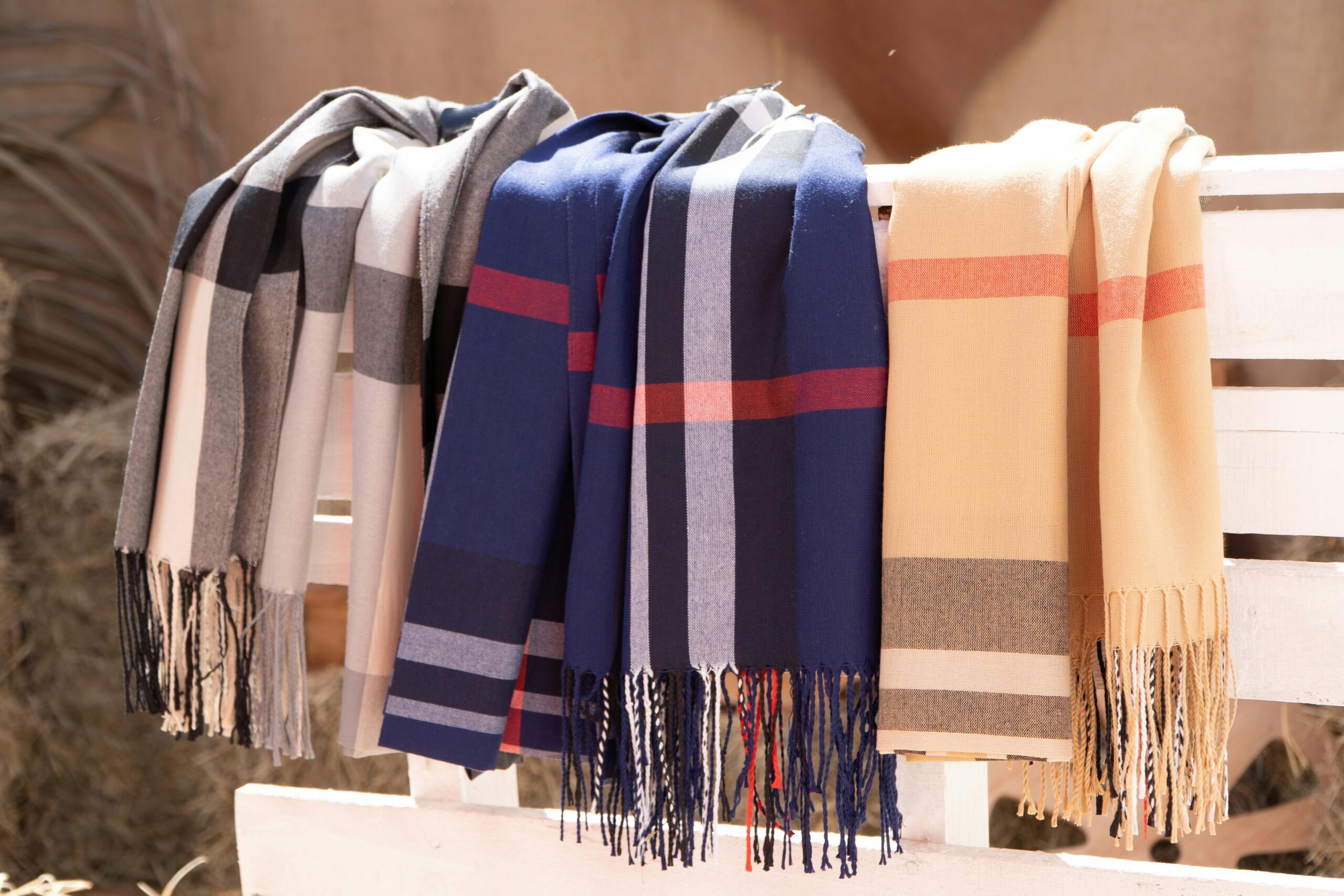
Autumn bridges the gap between summer’s lightness and winter’s warmth. Medium-weight scarves in earth tones—burnt orange, deep red, mustard yellow, and chocolate brown—complement fall foliage and seasonal fashion. Plaid patterns, paisley designs, and rich textures reflect autumn’s cozy, transitional nature.
💼 Professional Settings and Scarf Sophistication
Corporate environments benefit from scarf styling that balances professionalism with personality. Silk squares in solid colors or subtle patterns add polish to business suits without appearing overly casual. The ascot tie—tucking scarf ends into your shirt or blouse—creates refined elegance appropriate for meetings and presentations.
Conservative workplaces appreciate neutral scarf colors and classic styling techniques. Navy, black, gray, and cream scarves pair seamlessly with business attire while maintaining appropriate professional boundaries. Simple draping or loose knots avoid distraction while demonstrating attention to personal presentation and style awareness.
Creative industries allow more experimental scarf styling. Bold colors, artistic prints, and unconventional tying methods showcase creativity and individual expression valued in these environments. Use scarves to reflect your personal brand and design sensibility while maintaining workplace appropriateness for your specific field.
🌟 Celebrity-Inspired Scarf Moments
Fashion icons throughout history have demonstrated scarves’ transformative power. Audrey Hepburn’s classic silk scarves tied around her head epitomized timeless elegance and continue inspiring modern interpretations. Grace Kelly’s sophisticated neck draping showed how simple accessories create unforgettable style moments that transcend decades.
Contemporary celebrities maintain scarves’ fashion relevance through innovative styling. From oversized blanket scarves worn by street-style stars to delicate silk pieces gracing red carpets, these accessories continue proving their versatility across style spectrums. Observing how influencers and celebrities incorporate scarves provides inspiration for personal styling experiments.
🛍️ Building Your Scarf Collection Strategically
Starting a scarf collection requires thoughtful consideration of versatility and personal style. Begin with classic neutrals—black, navy, cream, and gray—that coordinate with multiple outfits. These foundational pieces provide maximum styling flexibility while you explore personal preferences and develop your unique aesthetic.
Add color strategically by selecting scarves that complement your existing wardrobe’s color palette. If your closet features predominantly cool tones, choose scarves in blues, purples, and greens. Warm-toned wardrobes benefit from scarves in reds, oranges, and yellows that enhance existing pieces rather than clashing with established color schemes.
Invest in various sizes and materials to address different styling needs. Include at least one large blanket scarf for warmth, several medium squares for versatile styling, and a few small silk scarves for delicate accent pieces. This variety ensures you’re prepared for any occasion or weather condition that arises.
🎁 Caring for Your Scarf Investment
Proper maintenance extends scarves’ lifespan and preserves their beauty. Silk scarves require gentle hand washing or professional dry cleaning to maintain luster and prevent damage. Store them flat or rolled rather than hanging to avoid stretching and distortion that compromises their shape and draping quality.
Cotton and linen scarves tolerate machine washing on gentle cycles, though hand washing remains preferable for preserving colors and preventing wear. Air drying prevents shrinkage and maintains fabric integrity better than machine drying, which can cause pilling and deterioration over time.
Wool and cashmere scarves benefit from professional cleaning or careful hand washing in cool water with specialized wool detergents. Store them with cedar blocks or lavender sachets to prevent moth damage during off-seasons. Proper folding prevents creasing that becomes difficult to remove from delicate fibers.
✂️ DIY Scarf Customization Ideas
Personalizing scarves through DIY projects creates truly unique accessories that reflect individual creativity. Adding fabric paint, embroidery, or beading transforms plain scarves into custom art pieces. Simple techniques like block printing or tie-dying create one-of-a-kind designs that no store-bought scarf can replicate.
Vintage scarves found at thrift stores or estate sales offer affordability and unique patterns unavailable in contemporary retail. Refreshing these discoveries through gentle cleaning and minor repairs creates distinctive accessories with character and history. Mixing vintage pieces with modern clothing creates eclectic, personalized style that stands out.
🌍 Cultural Significance and Respectful Wearing
Understanding scarves’ cultural significance across different societies demonstrates respect and awareness. Religious head coverings hold deep spiritual meaning for many communities, and fashion styling should honor these traditions rather than appropriating them superficially. Educating yourself about cultural contexts ensures your scarf choices reflect appreciation rather than appropriation.
Regional scarf traditions offer inspiration while respecting their origins. Scottish tartans, Indian dupattas, and Middle Eastern keffiyehs each carry specific cultural meanings worth understanding before incorporating them into your wardrobe. Approaching global scarf traditions with curiosity and respect enriches your fashion knowledge while honoring diverse heritage.
🎯 Final Thoughts on Scarf Styling Mastery
Scarves represent one of fashion’s most accessible yet impactful accessories, offering endless possibilities for personal expression and style transformation. Whether you’re experimenting with bold colors, mastering new tying techniques, or incorporating scarves into unexpected outfit elements, these versatile pieces reward creativity and experimentation with distinctive, memorable looks.
The journey to scarf styling mastery involves playful experimentation, learning from fashion inspiration, and developing confidence in your personal aesthetic. Don’t fear trying unconventional approaches or combining unexpected elements—fashion’s most memorable moments often emerge from willing departure from conventional styling rules.
By understanding materials, mastering fundamental techniques, and approaching scarves as transformative style tools rather than simple accessories, you unlock limitless potential for refreshing your wardrobe without significant investment. A well-chosen scarf transforms not just your outfit but your confidence, helping you step into each day wrapped in style that authentically represents who you are and aspire to become.
