
Anúncios
Fashion is evolving beyond restrictive trends, embracing a revolutionary movement where comfort meets sophistication. Today’s style mavens are redefining elegance through clothing that feels as good as it looks.
The Revolutionary Shift Toward Comfort-Driven Fashion ✨
The modern fashion landscape has undergone a remarkable transformation. Gone are the days when style demanded sacrifice, where beauty required painful shoes, restrictive waistbands, and fabrics that barely allowed movement. Today’s trendsetters are championing a different narrative—one where comfort isn’t compromising style but enhancing it.
Anúncios
This paradigm shift emerged from our collective realization that looking good shouldn’t mean feeling uncomfortable. The pandemic accelerated this movement, introducing millions to the liberation of athleisure, soft fabrics, and forgiving silhouettes. What started as necessity has blossomed into a full-fledged fashion philosophy that respects both our aesthetic desires and physical wellbeing.
Comfort-first fashion represents more than just wearing sweatpants to brunch. It’s about thoughtfully curated pieces that merge technical innovation with timeless design, creating wardrobes that transition seamlessly from home offices to evening gatherings without requiring costume changes or enduring discomfort.
Anúncios
Understanding the Effortless Chic Aesthetic 👗
Effortless chic isn’t actually effortless—it’s incredibly intentional. This aesthetic celebrates the art of appearing pulled-together without obvious struggle, creating looks that suggest natural elegance rather than hours of preparation. The foundation lies in selecting quality pieces that work harmoniously together, building a capsule wardrobe that eliminates decision fatigue while maximizing style impact.
The key elements include neutral color palettes punctuated by strategic pops of interest, flattering silhouettes that complement rather than constrict, and fabrics that breathe, stretch, and maintain their shape throughout the day. Think cashmere blends instead of scratchy wool, stretchy ponte instead of rigid cotton, and elevated loungewear that reads as intentionally fashionable rather than accidentally casual.
This approach emphasizes personal authenticity over trend-chasing. While fast fashion encourages constant consumption of fleeting styles, effortless chic builds sustainable wardrobes around individual lifestyle needs, body types, and genuine preferences. The result? A signature style that feels uniquely yours rather than borrowed from influencer feeds.
Building Blocks of Comfort-First Wardrobes
Constructing a comfort-driven wardrobe begins with identifying versatile foundation pieces. These workhorses form the backbone of countless outfit combinations, reducing closet overwhelm while increasing actual wearability. Investment in quality basics pays dividends through longevity, consistent fit, and the confidence that comes from knowing your clothes will perform beautifully.
- Stretchy high-waisted trousers that flatter without pinching
- Soft, structured blazers in ponte or knit fabrics
- Premium t-shirts in flattering cuts and weights
- Slip dresses that layer beautifully over turtlenecks or under cardigans
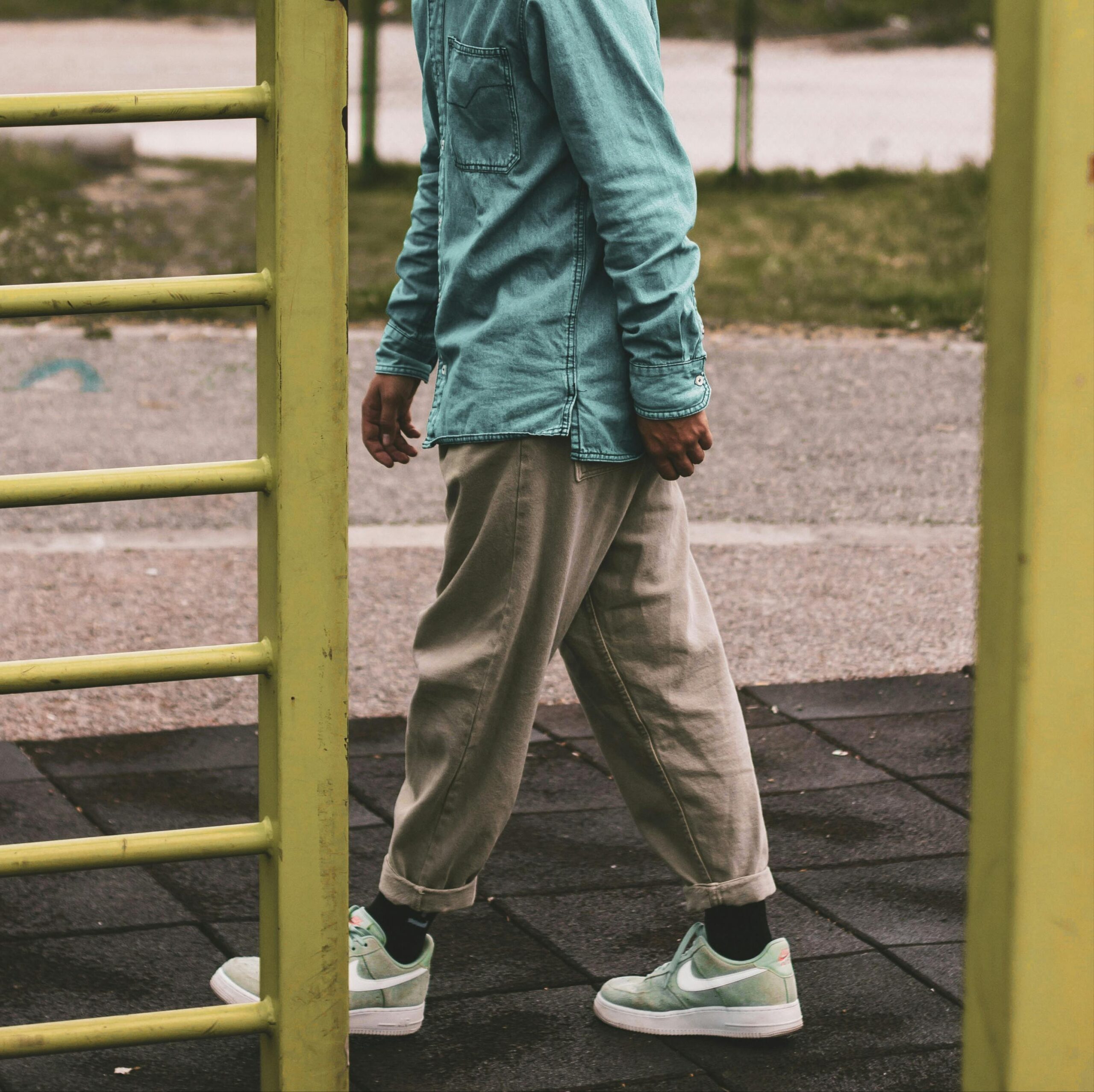
- Cushioned sneakers with sophisticated silhouettes
- Breathable knitwear in merino or cashmere blends
- Wide-leg pants with elastic waistbands disguised by smart tailoring
- Midi skirts with forgiving A-line cuts
The Science Behind Comfortable Fashion 🔬
Modern textile technology has revolutionized what’s possible in comfort-first fashion. Innovative fabrics now offer moisture-wicking properties, four-way stretch, wrinkle resistance, and temperature regulation—all while maintaining sophisticated appearances suitable for professional and social settings.
Performance fabrics once relegated to athletic wear have migrated into everyday fashion. These materials incorporate features like antimicrobial treatments, UV protection, and enhanced durability without sacrificing drape or visual appeal. Brands are investing heavily in fabric research, creating proprietary blends that answer the contemporary demand for clothing that works as hard as we do.
Construction techniques have evolved equally. Seamless knitting minimizes chafing, tagless designs eliminate irritation, and strategic paneling creates flattering shapes without restrictive boning or padding. These invisible innovations distinguish truly comfortable fashion from pieces that merely look comfortable but fail the wearability test.
Fabric Choices That Transform Your Experience
Understanding fabric properties empowers smarter purchasing decisions. Natural fibers like cotton, linen, and wool offer breathability and biodegradability, while synthetics like nylon and polyester provide durability and stretch. The magic often happens in blends that leverage the strengths of multiple fiber types.
| Fabric Type | Comfort Benefits | Best Uses |
|---|---|---|
| Modal | Exceptionally soft, breathable, drapes beautifully | Everyday tops, dresses, loungewear |
| Ponte Knit | Structured yet stretchy, holds shape well | Blazers, trousers, professional wear |
| Tencel | Moisture-wicking, eco-friendly, silky feel | Summer clothing, activewear crossover |
| Merino Wool | Temperature regulating, odor resistant | Year-round layering pieces |
| Spandex Blends | Recovery and stretch without losing shape | Jeans, fitted pieces, athleisure |
Styling Strategies for Maximum Impact, Minimum Effort 💫
Achieving effortless chic requires strategic styling approaches that simplify daily routines while elevating overall presentation. The capsule wardrobe concept forms an excellent foundation—selecting approximately 30-40 pieces that coordinate seamlessly creates exponential outfit possibilities from minimal items.
The rule of three provides foolproof styling guidance: combine three complementary pieces or elements in each outfit. This might mean pairing neutral basics with one statement accessory, mixing three tonal shades, or balancing proportions through fitted, loose, and structured pieces. This formula creates visual interest without overthinking.
Monochromatic dressing offers another shortcut to polished appearances. Wearing variations of a single color family creates elongating vertical lines while eliminating coordination concerns. This approach works especially well in neutral territories—think cream, camel, grey, or navy—though adventurous dressers can explore tonal greens, pinks, or browns.
The Power of Thoughtful Accessories
Accessories transform simple foundations into signature looks. Strategic selection of jewelry, bags, shoes, and scarves allows endless variation from limited clothing pieces. The key lies in choosing accessories that align with your comfort philosophy—lightweight earrings instead of heavy chandeliers, crossbody bags that free your hands, shoes with supportive footbeds.
Quality accessories often justify higher price points through versatility and longevity. A beautiful leather belt, classic watch, or well-crafted handbag elevates countless outfits across seasons and trends. These investment pieces communicate attention to detail and personal style while remaining comfortable enough for all-day wear.
Navigating Professional Settings Without Sacrificing Comfort 👔
The evolution of workplace dress codes has opened opportunities for comfort-first fashion in professional environments. While traditional corporate settings once demanded rigid suits and restrictive footwear, contemporary offices increasingly embrace polished-casual aesthetics that prioritize both appearance and wellbeing.
The modern professional wardrobe combines traditional tailoring elements with comfortable construction. Stretch suiting fabrics move with your body during commutes and meetings. Knit blazers provide structure without stiffness. Low-block heels or sophisticated flats offer height and polish without foot pain. Wide-leg trousers in luxe fabrics read as professional while feeling like elevated loungewear.
Layering strategies prove especially valuable in professional contexts, allowing temperature adaptation throughout the day while maintaining put-together appearances. Lightweight cardigans, structured vests, and draped jackets provide flexibility without requiring complete outfit changes as environments shift from frigid conference rooms to overheated transit.
Virtual Presence and Comfort Dressing
Remote work has redefined professional dressing entirely. The “camera-ready” approach focuses efforts on visible elements—polished tops, statement jewelry, good lighting—while permitting comfortable bottoms invisible to video calls. This practical bifurcation acknowledges contemporary reality without abandoning professional standards.
However, full-body comfort still matters even when cameras only capture shoulders-up. Comfortable clothing affects posture, energy levels, and psychological readiness for productive work. The most successful remote workers often report that dressing intentionally—even comfortably—helps maintain boundaries between personal and professional time.
Sustainable Comfort: Environmental Consciousness Meets Personal Style 🌱
The intersection of comfort-first fashion and sustainability creates powerful synergies. Both movements reject fast fashion’s disposable approach, instead prioritizing quality, longevity, and thoughtful consumption. Comfortable pieces that fit well and feel good naturally see more wear, reducing the constant acquisition cycle that burdens both wallets and landfills.
Sustainable fabric innovations often deliver superior comfort. Organic cotton grown without harsh pesticides feels softer against skin. Recycled materials reduce environmental impact while offering technical performance properties. Emerging fabrics like mushroom leather and orange fiber demonstrate that eco-consciousness need not compromise luxury or comfort.
Building a sustainable comfort-first wardrobe involves asking critical questions before purchases: Will I wear this repeatedly? Does it coordinate with existing pieces? Is the quality sufficient for long-term use? Does the brand align with my values? These considerations naturally slow consumption while improving overall wardrobe satisfaction.
Addressing Different Body Types with Compassionate Fashion 💖
Comfort-first fashion inherently embraces body diversity. When comfort becomes a priority, the focus shifts from forcing bodies into idealized shapes toward finding flattering silhouettes that work with individual proportions. This philosophical shift represents genuine progress toward inclusive, compassionate fashion.
Understanding your unique proportions—whether you’re petite, tall, curvy, athletic, or anywhere along the beautiful spectrum—empowers strategic shopping. Comfort doesn’t mean shapeless; it means identifying cuts that flatter your specific form without requiring physical compromise. High-waisted styles might elongate some figures while empire waists flatter others. A-line skirts provide forgiving elegance across body types.
The rise of inclusive sizing has expanded comfort-first options dramatically. More brands now offer extended size ranges in identical styles, ending the frustrating practice of relegating plus-size options to separate, limited collections. This democratization of fashion allows everyone to participate in comfort-driven trends regardless of body size.
Adapting Trends to Personal Comfort Zones
Not every trend deserves adoption, and comfort-first philosophy encourages selective trend participation. Just because cropped tops dominate runways doesn’t mean they suit your lifestyle, climate, or comfort preferences. The most stylish individuals adapt trends to personal contexts rather than wholesale adoption of every passing fad.
This might mean trying wide-leg silhouettes in ankle-length rather than floor-sweeping proportions, experimenting with bold colors in comfortable familiar cuts, or incorporating trending accessories while maintaining wardrobe staples. Fashion should enhance your life, not dictate uncomfortable choices that leave you counting minutes until you can change.
Seasonal Transitions in Comfort-First Wardrobes 🍂
Maintaining comfort across seasonal changes requires strategic layering and fabric selection. Transitional pieces that work across temperature fluctuations maximize wardrobe utility while minimizing storage needs. Lightweight merino sweaters provide warmth without bulk, making them ideal for variable spring and fall weather.
Summer comfort-first fashion emphasizes breathable natural fibers, loose silhouettes that encourage airflow, and moisture-wicking properties that manage heat and humidity. Linen blends, cotton voile, and lightweight Tencel create breezy elegance suitable for scorching temperatures without sacrificing sophistication.
Winter layering becomes an art form in comfortable dressing. Thin, warm base layers in merino or silk provide foundation warmth. Mid-layers add insulation without restriction. Outer layers protect from elements while maintaining mobility. This systematic approach keeps you warm without the Michelin-man aesthetic of puffy, restrictive outerwear.
The Psychology of Comfortable Dressing 🧠
The relationship between clothing and mental wellbeing runs deeper than surface aesthetics. What we wear affects mood, confidence, productivity, and self-perception. Comfortable clothing that aligns with personal style reduces daily stress, eliminates physical distractions, and supports positive self-image.
Research indicates that physical comfort directly influences cognitive performance. Restrictive clothing diverts mental resources toward managing discomfort, reducing availability for complex thinking and creative problem-solving. Conversely, comfortable yet intentional dressing supports focus while maintaining professional presence and personal standards.
The concept of “enclothed cognition” suggests that clothing affects psychological states and performance. Wearing items associated with competence—well-fitted blazers, quality footwear, polished accessories—can enhance confidence and capability even when those items prioritize comfort. The key lies in finding pieces that feel good while conveying desired impressions.
Crafting Your Personal Comfort-First Style Revolution ✨
Embracing effortless chic represents a deeply personal journey toward authentic self-expression through comfortable, confident dressing. This revolution begins with permission—allowing yourself to prioritize physical comfort without guilt, rejecting fashion rules that don’t serve your lifestyle, and building wardrobes around genuine needs rather than aspirational fantasies.
Start by auditing current wardrobe contents. Which pieces do you reach for repeatedly? What remains unworn despite attractive appearances? These patterns reveal valuable insights about your comfort requirements and style preferences. Letting go of beautiful-but-uncomfortable items creates space for pieces that actually serve your life.
Experiment thoughtfully with new silhouettes, fabrics, and combinations. Comfort-first fashion encourages playful exploration within parameters that respect your physical needs. Try unexpected pairings, test different proportions, and notice how various styles affect your movement, confidence, and daily experience. Personal style develops through this ongoing experimentation.
Remember that effortless chic, despite its name, requires initial investment—time spent identifying flattering cuts, money allocated toward quality pieces, and mental energy devoted to curating rather than accumulating. These upfront investments yield daily dividends through simplified morning routines, consistent confidence, and the profound comfort of clothing that truly works for your unique life.
The modern trendsetter understands that true style transcends temporary trends, embracing instead a personal aesthetic built on comfort, quality, and authentic self-expression. By redefining fashion through the lens of wellbeing without sacrificing sophistication, we create wardrobes that enhance rather than complicate our lives—and that represents the ultimate fashion achievement.
