
Anúncios
Choosing the right fabric can transform your entire wardrobe, elevating your personal style from ordinary to extraordinary with just one smart decision.
🌟 Why Fabric Selection Matters More Than You Think
The foundation of any stunning outfit lies not just in its design or color, but in the very material from which it’s crafted. Understanding fabric types, their properties, and how they interact with different body types and occasions is essential for anyone looking to master their personal style. Whether you’re building a capsule wardrobe, preparing for a special event, or simply wanting to make more informed fashion choices, knowing your fabrics is a game-changer.
Anúncios
Fabric choice affects everything from how clothes drape on your body to how comfortable you feel throughout the day. It influences the longevity of your garments, their care requirements, and even how appropriate they are for different seasons and settings. The right fabric can make you look polished and put-together, while the wrong one can undermine even the most expensive designer piece.
Understanding Natural Fabrics and Their Unique Characteristics
Natural fabrics have been the cornerstone of fashion for centuries, offering unparalleled comfort and breathability. These materials come from plant or animal sources and typically provide superior comfort compared to many synthetic alternatives.
Anúncios
Cotton: The Versatile Everyday Champion
Cotton remains one of the most beloved fabrics worldwide, and for good reason. This natural fiber is incredibly breathable, absorbent, and soft against the skin. Cotton works beautifully for casual wear, from everyday t-shirts to comfortable jeans and summer dresses. It’s easy to care for, generally machine-washable, and becomes softer with each wash.
When choosing cotton pieces, consider the weight and weave. Lightweight cotton poplin is perfect for summer shirts, while heavier cotton twill works wonderfully for structured pants and jackets. Egyptian and Pima cotton varieties offer extra-long fibers that create exceptionally smooth, durable fabrics ideal for investment pieces.
Linen: The Sophisticated Summer Essential
Linen embodies effortless elegance with its characteristic texture and exceptional breathability. Made from flax plant fibers, linen is stronger than cotton and becomes increasingly soft with wear. It’s the ultimate warm-weather fabric, allowing air to flow freely and moisture to evaporate quickly.
The natural wrinkles that linen develops are part of its charm, creating a relaxed, lived-in aesthetic that works perfectly for vacation wear, casual business settings, and weekend outfits. Choose linen for blazers, trousers, dresses, and shirts when you want to look polished yet comfortable during hot months.
Silk: Timeless Luxury and Refinement
Few fabrics can match the luxurious feel and beautiful drape of silk. This protein fiber, produced by silkworms, has a natural sheen that catches light beautifully and feels incredibly smooth against skin. Silk is surprisingly strong, naturally temperature-regulating, and hypoallergenic.
Silk blouses, scarves, and dresses add instant sophistication to any wardrobe. Charmeuse silk offers a glossy surface perfect for evening wear, while silk crepe provides a matte finish suitable for professional settings. Remember that silk requires gentle care, often needing hand-washing or professional dry cleaning.
Wool: Beyond Winter Warmth
Wool is far more versatile than many people realize. While it’s certainly excellent for cold-weather garments, different wool varieties serve various purposes year-round. Merino wool, for instance, is fine enough for base layers and even summer suits, offering natural odor resistance and moisture-wicking properties.
For tailored pieces like suits, blazers, and dress trousers, wool provides structure and longevity. Wool gabardine offers a smooth finish ideal for professional attire, while wool crepe drapes beautifully for skirts and dresses. Cashmere and other luxury wools provide unmatched softness for sweaters and coats.
Navigating Synthetic and Semi-Synthetic Fabrics
Modern fabric technology has created numerous synthetic options that offer unique benefits, from easy care to performance features that natural fibers can’t match.
Polyester: The Practical Performer
Despite its sometimes questionable reputation, polyester has evolved significantly. Modern polyester blends offer wrinkle resistance, durability, and easy care that busy lifestyles demand. High-quality polyester can mimic the appearance of natural fabrics while providing superior shape retention.
Look for polyester blends in workwear that needs to maintain a crisp appearance throughout long days. Polyester performance fabrics excel in athletic wear, offering moisture-wicking and quick-drying properties. However, be cautious with 100% polyester for pieces worn close to the skin, as breathability can be limited.
Rayon and Viscose: The Natural-Synthetic Hybrid
Rayon and viscose are semi-synthetic fabrics made from natural cellulose but processed with chemicals. They offer silk-like drape and feel at a fraction of the cost, making them popular for flowing dresses, blouses, and linings. These fabrics dye beautifully, producing rich, vibrant colors.
The main drawback is that rayon and viscose can be delicate, prone to wrinkling, and may shrink if not properly cared for. They work wonderfully for special occasion pieces and trendy items where longevity isn’t the primary concern.
Nylon and Spandex: Stretch and Strength
Nylon brings exceptional strength and elasticity to garments, making it ideal for activewear, hosiery, and outerwear. When blended with natural fibers, small amounts of nylon can significantly improve durability without sacrificing comfort.
Spandex, also known as Lycra or elastane, provides stretch that allows garments to move with your body while maintaining their shape. Just 2-5% spandex in denim, trousers, or dresses can dramatically improve fit and comfort. This makes spandex-blend fabrics perfect for modern, body-conscious silhouettes that still allow freedom of movement.
🎯 Matching Fabrics to Occasions and Seasons
Understanding which fabrics work best for different settings and times of year is crucial for building a functional, stylish wardrobe.
Professional Settings: Projecting Confidence Through Fabric
For the workplace, choose fabrics that maintain their structure and appearance throughout the day. Wool blends, high-quality polyester, and cotton-polyester combinations offer the crispness that professional attire demands. Avoid overly casual fabrics like jersey knits or overly delicate materials like chiffon in conservative business environments.
Structured fabrics like tropical wool, gabardine, and twill communicate authority and competence. For creative workplaces, you have more flexibility to incorporate softer fabrics like silk, chambray, and quality knits while maintaining professionalism.
Casual Comfort: Relaxed Doesn’t Mean Sloppy
Weekend wear and casual occasions allow for softer, more relaxed fabrics. Cotton jersey, French terry, and lightweight denim provide comfort without sacrificing style. Linen blends, chambray, and soft cotton flannels work beautifully for casual button-up shirts and dresses.
The key is choosing quality versions of casual fabrics. A well-made cotton t-shirt in a substantial weight looks infinitely better than a thin, transparent one. Similarly, quality denim with the right weight and structure elevates casual outfits significantly.
Evening and Special Events: Embracing Luxe Textures
Special occasions call for fabrics with visual interest and luxurious feel. Silk, satin, velvet, and lace add drama and elegance to evening wear. Structured fabrics like duchess satin and taffeta create beautiful silhouettes for formal gowns, while fluid fabrics like chiffon and charmeuse offer romantic movement.
Consider the formality level and venue when selecting fabrics for events. A cocktail party might call for structured crepe or jacquard, while a black-tie gala deserves sumptuous velvet or beaded silk.
Seasonal Fabric Selection: Working with Climate
Your fabric choices should adapt to seasonal changes. Summer demands breathable, lightweight options like cotton voile, linen, chambray, and lightweight silk. These fabrics allow air circulation and help regulate body temperature in heat.
Fall transitions call for medium-weight fabrics like cotton corduroy, lightweight wool, and heavier cottons. Winter requires insulating fabrics such as wool, cashmere, fleece-lined materials, and tightly-woven fabrics that block wind. Spring welcomes lighter wools, cotton blends, and transitional fabrics that work across varying temperatures.
💡 Fabric Selection for Different Body Types
Certain fabrics complement different body shapes better than others. Understanding these relationships helps you choose pieces that flatter your unique figure.
Structured, medium-weight fabrics work well for creating definition where desired. If you want to add shape to a straighter silhouette, fabrics like cotton twill, structured denim, and medium-weight wool can create curves. Conversely, if you prefer to minimize certain areas, avoid clingy jersey knits and instead choose fabrics with more body and drape.
Flowing fabrics like silk charmeuse, rayon challis, and lightweight wool crepe skim over the body without clinging, creating elegant silhouettes. These work beautifully for most body types when cut properly. Avoid stiff fabrics if you have a fuller figure, as they can add bulk rather than flow smoothly over curves.
For petite frames, avoid heavy, bulky fabrics that can overwhelm your proportions. Instead, choose lighter-weight versions of structured fabrics and avoid excessive texture that adds visual weight. Taller frames can carry heavier fabrics and bolder textures beautifully, using them to create interesting visual effects.
Reading Fabric Labels Like a Pro
Understanding garment labels helps you make informed purchasing decisions and properly care for your clothes. Fiber content labels tell you exactly what materials make up the fabric, while care labels provide essential washing and maintenance instructions.
Pay attention to fabric blends and their percentages. A shirt labeled “cotton” might actually be 60% cotton and 40% polyester, which significantly affects how it feels, breathes, and wears. Generally, the first fiber listed is present in the highest percentage.
Care requirements directly impact the true cost of a garment. A beautiful silk blouse requiring dry cleaning after each wear costs significantly more over time than a machine-washable cotton alternative. Factor care costs and convenience into your purchasing decisions alongside the initial price tag.
🛍️ Quality Indicators: Spotting Superior Fabrics
Learning to identify quality fabrics helps you invest wisely in pieces that will last. Higher thread count in cotton sheets matters, but in clothing, the quality of the fibers and the tightness of the weave are more important indicators.
Examine fabric closely before purchasing. Quality fabrics have consistent color throughout, with no thin spots or irregularities. The weave should be tight and even. Hold the fabric up to light—excessive transparency usually indicates lower quality or a lighter weight that may not hold up well.
Feel the fabric’s hand—the way it feels to touch. Quality fabrics feel smooth and substantial rather than rough or flimsy. They should have appropriate weight for their intended use. A summer dress can be lightweight, but it shouldn’t feel papery or see-through.
Check how the fabric recovers from wrinkling. Scrunch a corner of the garment in your hand, hold for a few seconds, then release. Quality fabrics with good resilience will recover quickly, while poor-quality materials may retain deep creases.
Sustainable and Ethical Fabric Choices
Increasingly, conscious consumers consider the environmental and social impact of their fabric choices. Organic cotton, grown without harmful pesticides, offers a more sustainable alternative to conventional cotton. Linen requires less water and pesticides than cotton, making it an eco-friendly choice.
Recycled polyester, made from plastic bottles and other recycled materials, reduces waste while providing the performance benefits of virgin polyester. Tencel and other lyocell fabrics are produced from sustainably-sourced wood pulp through closed-loop processes that recycle water and solvents.
Consider garment longevity as part of sustainability. A well-made wool coat that lasts twenty years has a smaller environmental footprint than multiple fast-fashion alternatives replaced every few seasons. Investing in quality fabrics that endure reduces overall consumption.
Building Your Fabric Knowledge Through Experience
Developing true fabric expertise comes through hands-on experience. Visit fabric stores and touch different materials, noting their weight, drape, and texture. Pay attention to how your favorite garments are made and what fabrics they use.
Keep a style journal documenting which fabrics you feel most comfortable and confident wearing. Note which pieces in your wardrobe get the most wear and which languish unworn—often fabric choice plays a significant role in these preferences.
Experiment with different fabric types for similar garment styles. Try a silk blouse, a cotton blouse, and a polyester blouse in similar cuts, and notice how differently they wear throughout the day. This comparative approach builds intuitive understanding that guides future purchases.
✨ Creating Your Signature Style Through Fabric Choices
Your fabric preferences contribute significantly to your personal style signature. Someone who gravitates toward crisp cotton and structured wool projects a different aesthetic than someone who loves flowing silk and soft cashmere. Neither is better—they simply express different style personalities.
Consider what qualities you want your clothing to communicate. If you value comfort and approachability, soft, natural fabrics align with that vision. If you prefer polished sophistication, structured fabrics with body and sheen might better represent your style.
Don’t be afraid to step outside your fabric comfort zone occasionally. If you typically wear only soft, unstructured fabrics, try a tailored wool blazer. If you live in structured pieces, experiment with a flowing silk dress. These experiments expand your style vocabulary and might reveal new favorites.
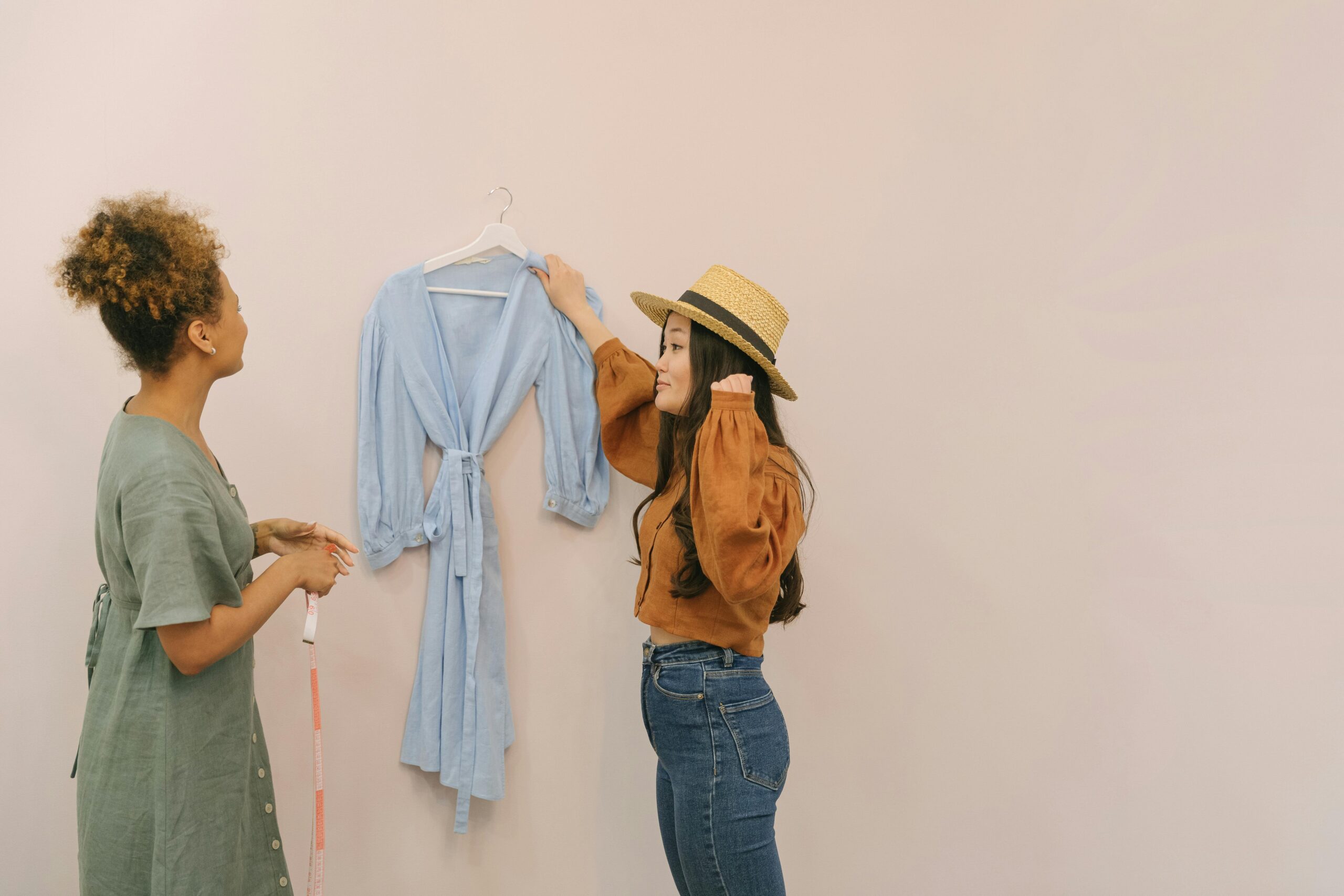
The Long-Term Value of Fabric Knowledge
Mastering fabric selection is an investment that pays dividends throughout your life. You’ll waste less money on pieces that don’t work, build a wardrobe of garments you actually wear, and develop confidence in your personal style. Understanding fabrics transforms shopping from overwhelming guesswork into informed decision-making.
This knowledge also helps you care for your clothes properly, extending their lifespan and maintaining their appearance. You’ll know which pieces need professional cleaning, which can be hand-washed, and how to store different fabrics to prevent damage.
Most importantly, fabric literacy allows you to express yourself authentically through your clothing choices. When you understand how different materials look, feel, and perform, you can curate a wardrobe that truly reflects who you are and supports the life you lead. Every fabric choice becomes an opportunity to reinforce your personal brand and feel confident in your appearance.
The journey to fabric mastery is ongoing, with new materials and technologies constantly emerging. Embrace this learning process, and enjoy discovering how the perfect fabric choice can elevate every look you create. Your wardrobe—and your confidence—will thank you.
