
Anúncios
The right gym outfit can transform your workout experience, boosting both your confidence and physical performance in ways you might never have imagined. 💪
Walking into the gym isn’t just about physical strength—it’s equally about mental readiness and the confidence to push through challenging workouts. What you wear plays a surprisingly significant role in how you feel and perform during exercise. The connection between athletic clothing and workout effectiveness goes far beyond aesthetics, tapping into psychological factors, functional benefits, and the science of performance enhancement.
Anúncios
This comprehensive guide explores how strategic wardrobe choices can elevate your fitness journey, examining everything from fabric technology to color psychology, ensuring you make informed decisions that align with your workout goals and personal style.
The Psychology Behind Workout Attire: Why What You Wear Matters
The concept of “enclothed cognition” suggests that the clothes we wear significantly influence our psychological processes and performance. When you dress in proper athletic wear, your brain receives signals that it’s time to perform, creating a mental shift that prepares you for physical exertion.
Anúncios
Research has demonstrated that individuals who wear athletic clothing feel more competent and motivated during exercise sessions. This psychological boost translates into tangible performance improvements, including increased endurance, better form, and greater willingness to challenge personal limits.
Beyond the scientific evidence, there’s an undeniable confidence factor. When you look good, you feel good—and when you feel good, you’re more likely to show up consistently, push harder, and achieve better results. This positive feedback loop is one of the most underestimated aspects of fitness success.
Essential Fabric Technologies That Enhance Performance 🏃♀️
Modern athletic wear has evolved dramatically from simple cotton T-shirts and sweatpants. Today’s gym outfits incorporate advanced fabric technologies designed specifically to support athletic performance.
Moisture-Wicking Materials
Moisture-wicking fabrics are engineered to pull sweat away from your skin to the outer surface of the garment, where it can evaporate quickly. This technology keeps you dry, comfortable, and prevents chafing during intense workouts. Materials like polyester, nylon, and specialized synthetic blends excel at this function.
The importance of staying dry extends beyond comfort. When your skin remains wet during exercise, your body temperature regulation becomes less efficient, potentially impacting endurance and increasing fatigue. Quality moisture-wicking gear addresses this challenge directly.
Compression Technology
Compression garments apply graduated pressure to specific muscle groups, potentially improving blood circulation and reducing muscle vibration during high-impact activities. Many athletes report feeling more supported and experiencing less muscle fatigue when wearing compression gear.
While research on compression clothing shows mixed results regarding performance enhancement, the proprioceptive feedback—your body’s awareness of position and movement—provided by these snug-fitting garments can improve form and reduce injury risk.
Breathability and Temperature Control
Advanced fabrics now incorporate mesh panels, strategic ventilation zones, and temperature-regulating technologies that adapt to your body heat. These features are particularly valuable during intense cardio sessions or hot yoga classes where overheating can limit performance.
Building Your Perfect Gym Wardrobe: Key Pieces
Creating an effective workout wardrobe doesn’t require extensive spending, but it does demand strategic selection of versatile, high-quality pieces that serve multiple functions.
Performance Tops for Different Activities
Your choice of workout top should align with your primary activities. For cardio-intensive workouts, prioritize lightweight, breathable tank tops or short-sleeve shirts with maximum ventilation. Strength training might call for fitted tees that allow you to check your form without excess fabric getting in the way.
Long-sleeve options with thumb holes work excellently for outdoor running or early morning gym sessions, providing arm coverage while keeping your hands warm. Look for flat seams that prevent irritation during repetitive movements.
The Perfect Workout Bottoms
Leggings have become the gold standard for many gym-goers due to their versatility, comfort, and functional benefits. High-waisted designs offer core support and stay in place during intense movements, while ankle-length options suit most activities from yoga to weightlifting.
For those who prefer shorts, look for options with built-in compression shorts or longer inseams that prevent chafing. Moisture-wicking materials remain essential regardless of style preference.
Consider having multiple lengths available: full-length leggings for strength training and cooler environments, crops for moderate temperatures, and shorts for hot weather cardio sessions.
Sports Bras: The Foundation of Female Athletic Wear
A properly fitting sports bra is non-negotiable for female athletes. The right support level depends on your activity intensity and personal needs. Low-impact activities like yoga or walking require minimal support, while high-impact exercises like running or HIIT demand maximum support with encapsulation or compression designs.
Investing in quality sports bras prevents discomfort, reduces long-term tissue damage, and allows you to focus entirely on your workout rather than constant adjustments.
Color Psychology and Pattern Selection in Athletic Wear 🎨
The colors and patterns you choose for workout clothing can influence both your mood and how others perceive you in the gym environment.
Bold, bright colors like red, orange, and electric blue are associated with energy, confidence, and power. Wearing these shades might subconsciously encourage you to adopt a more assertive mindset during challenging workouts.
Darker colors like black, navy, and charcoal provide a slimming effect and excellent versatility, easily mixing with other pieces. They also hide sweat stains more effectively than lighter shades—a practical consideration for intense training sessions.
Patterns and prints can add personality and make your gym experience more enjoyable. Geometric designs, florals, or abstract patterns break up monotony and express individual style while maintaining a professional athletic appearance.
Fit Matters: Finding Your Ideal Athletic Clothing Silhouette
The fit of your gym clothes dramatically affects both comfort and performance. Clothing that’s too loose can get caught in equipment or obscure your form, while overly tight garments may restrict movement and cause discomfort.
For most activities, fitted or form-fitting options work best. These allow you to see your body positioning and muscle engagement while providing adequate range of motion. However, “fitted” doesn’t mean uncomfortably tight—you should be able to move freely through your full range of motion without restriction.
Test your workout clothes with movement-specific checks: squat deeply in leggings to ensure they don’t become see-through, reach overhead in tops to confirm adequate length, and perform lunges to verify there’s no restrictive pulling.
Seasonal Considerations for Optimal Gym Performance
Summer and Hot Weather Training
When temperatures rise, prioritize maximum breathability and moisture management. Loose-fitting, light-colored tanks and shorts made from thin, technical fabrics help your body regulate temperature more effectively.
Consider seamless construction to minimize irritation when sweat increases friction between fabric and skin. UV protection becomes important for outdoor training during summer months.
Winter and Cold Weather Workouts
Layering becomes essential during colder months. Start with a moisture-wicking base layer, add an insulating mid-layer if needed, and finish with a breathable outer layer for outdoor activities.
For indoor winter workouts, long sleeves that can be rolled up or zip-up options that allow temperature adjustment work well as facilities may vary in heating levels.
Footwear: The Foundation of Performance and Safety 👟
While technically not “outfit” in the traditional sense, athletic shoes deserve significant attention as they directly impact performance, comfort, and injury prevention.
Different activities require specific shoe designs. Running shoes provide cushioning and forward-motion support, cross-training shoes offer lateral stability for multidirectional movements, and weightlifting shoes feature flat, firm soles that improve ground connection during heavy lifts.
Invest in activity-specific footwear for your primary training style, and ensure proper fit with adequate toe room and heel security. Replace athletic shoes every 300-500 miles of use or when you notice decreased cushioning or support.
Accessories That Complete Your Performance Look
Strategic accessories enhance both functionality and style without becoming distractions during workouts.
Headwear and Hair Management
Headbands, caps, and hair ties keep hair out of your face, allowing better focus and preventing annoyance during movement. Moisture-wicking headbands also prevent sweat from dripping into your eyes during intense cardio sessions.
Performance Socks
Quality athletic socks with arch support, cushioning in high-impact zones, and moisture-wicking properties prevent blisters and enhance comfort. The right socks can make surprising differences during long training sessions.
Fitness Trackers and Smart Watches
Wearable technology helps track progress, monitor heart rate, and maintain motivation. These devices integrate seamlessly into modern athletic wardrobes while providing valuable performance data.
Caring for Your Athletic Wear: Maximizing Longevity and Performance
Proper care extends the life of technical athletic clothing and maintains their performance-enhancing properties.
Always wash workout clothes promptly after use to prevent bacteria growth and odor set-in. Use cold water and avoid fabric softeners, which can coat technical fabrics and reduce their moisture-wicking capabilities.
Air-drying preserves elastic fibers and prevents heat damage from dryers. If machine drying is necessary, use low heat settings. Store athletic wear in well-ventilated areas rather than sealed plastic containers to prevent mildew and odor development.
Budget-Friendly Strategies for Building Athletic Wardrobes
Quality workout clothing doesn’t always require premium prices. Several strategies help build effective gym wardrobes without excessive spending.
Focus on versatile basics in neutral colors that mix easily, allowing multiple outfit combinations from fewer pieces. Invest more in items that directly contact your skin and endure frequent washing, like sports bras and leggings, while saving on outer layers.
Watch for seasonal sales at athletic retailers, where previous season’s colors and styles often receive significant discounts despite identical quality and functionality to newer releases.
Consider emerging direct-to-consumer brands that offer quality comparable to major labels at reduced prices by eliminating retail markup.
The Confidence Factor: How Great Gym Outfits Change Your Mindset 💫
Beyond all the technical benefits and practical considerations, perhaps the most powerful aspect of choosing the right gym outfit is the confidence boost it provides.
When you feel put-together and comfortable in your workout clothes, you’re more likely to maintain proper form, try new exercises, and interact positively with others at the gym. This confidence translates into consistency—the true key to fitness progress.
Your workout outfit becomes part of your fitness identity, a physical representation of your commitment to health and self-improvement. Each time you put on your athletic wear, you’re reinforcing your dedication to your goals.
The ritual of dressing for exercise also serves as a psychological trigger, signaling to your brain that it’s time to shift into performance mode. This mental preparation can significantly impact workout quality and intensity.
Sustainable Choices in Athletic Wear
As awareness of environmental impact grows, many athletes seek sustainable options in workout clothing. Fortunately, the athletic wear industry increasingly offers eco-friendly alternatives.
Look for brands using recycled materials, such as polyester made from plastic bottles or regenerated nylon from fishing nets and fabric scraps. These materials often match or exceed the performance of virgin synthetic fabrics while reducing environmental footprint.
Organic cotton, bamboo, and Tencel provide natural fiber options, though they typically lack the moisture-wicking properties of technical synthetics. These work well for low-intensity activities or casual athletic wear.
Choosing quality pieces that last longer inherently supports sustainability by reducing consumption and waste. Proper care and maintenance maximize garment lifespan, further minimizing environmental impact.
Creating Your Signature Gym Style
While functionality remains paramount, developing a personal athletic style makes gym visits more enjoyable and expresses your individuality.
Experiment with different color combinations, patterns, and silhouettes until you discover what makes you feel most confident and comfortable. Your gym style might be minimalist all-black, colorful and bold, or somewhere in between—what matters is that it feels authentically you.
Consider creating a few go-to outfit combinations that you know work well, eliminating decision fatigue on days when motivation runs low. Having reliable, confidence-boosting options ready reduces barriers to getting to the gym.
Remember that gym fashion continually evolves, but personal comfort and performance should always take precedence over fleeting trends. Build a foundation of functional pieces, then add trendy items as desired without compromising workout effectiveness.
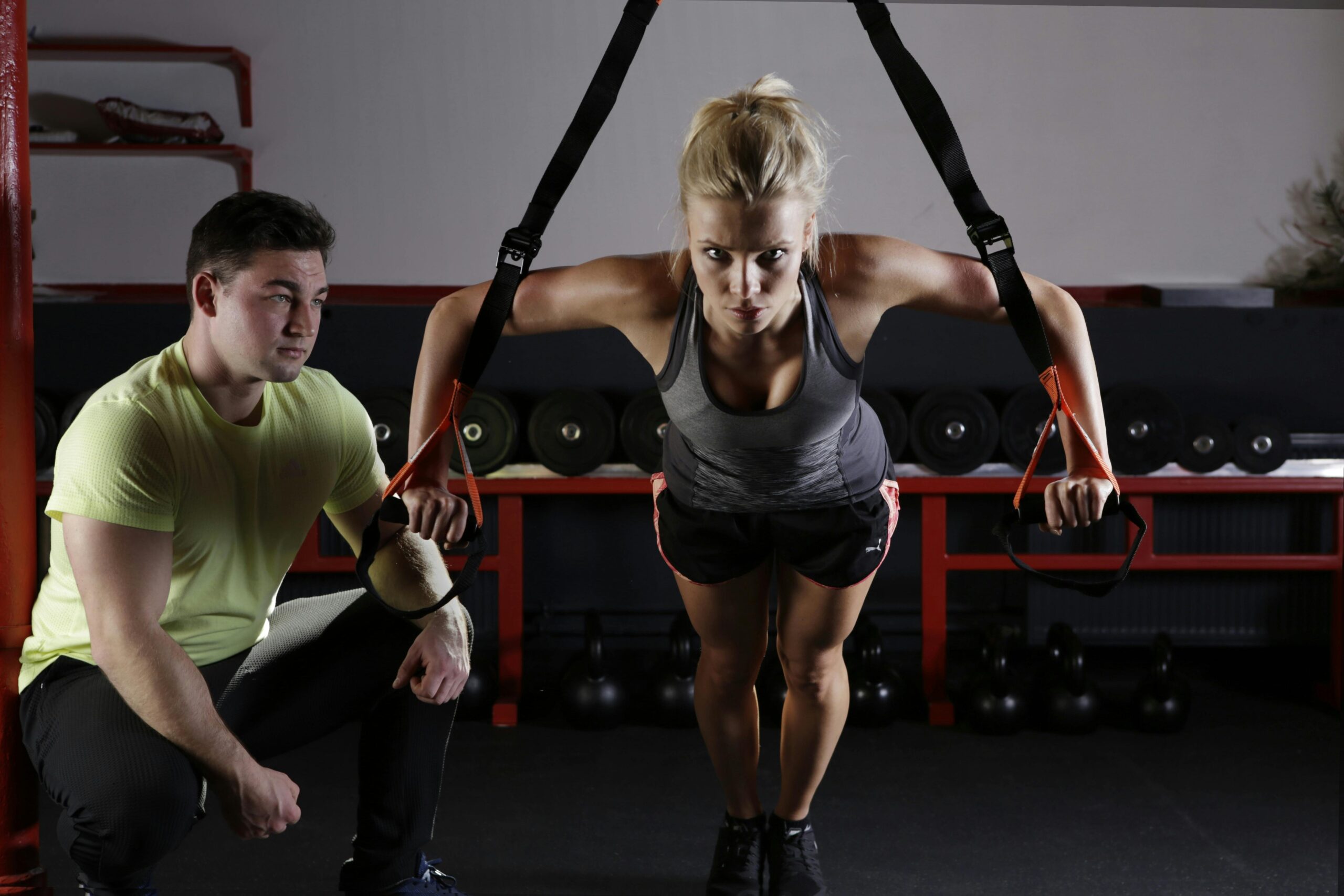
Transforming Your Fitness Journey Through Strategic Wardrobe Choices
The journey to optimal fitness involves numerous factors—training programs, nutrition, recovery, and mental preparation. Among these elements, workout attire might seem superficial, yet its impact on both psychology and performance proves substantial.
By selecting gym outfits that combine technical functionality with personal style, you create an environment where success becomes more attainable. The right clothing keeps you comfortable during challenging sessions, prevents injuries through proper support, and provides the confidence boost that turns sporadic gym visits into consistent habits.
Your investment in quality athletic wear is ultimately an investment in yourself and your fitness goals. Each piece you carefully select becomes a tool that supports your transformation, making difficult workouts slightly easier and keeping you motivated when enthusiasm wanes.
As you build and refine your gym wardrobe, remember that the best outfit is the one that makes you feel powerful, capable, and eager to tackle whatever challenge awaits. When you look in the mirror before a workout and feel genuinely ready to perform at your best, you’ve found exactly what works for you.
Start with the fundamentals—quality fabrics, proper fit, and activity-appropriate designs—then layer in personal style elements that spark joy and boost confidence. Your perfect gym outfit combination exists at the intersection of science-backed functionality and individual expression, creating a powerful foundation for achieving your fitness aspirations. 🌟
