
Anúncios
Building a versatile casual wardrobe isn’t about owning countless pieces—it’s about choosing smart, timeless items that effortlessly adapt to any situation while reflecting your personal style.
In today’s fast-paced world, the ability to look polished and put-together without spending hours planning outfits has become invaluable. Whether you’re meeting friends for brunch, heading to a casual work environment, running errands, or attending a relaxed dinner party, having a well-curated wardrobe takes the stress out of getting dressed. The secret lies not in quantity, but in strategic selection and understanding how pieces work together.
Anúncios
Most people struggle with overstuffed closets yet claim they have “nothing to wear.” This paradox stems from poor wardrobe planning and impulse purchases that don’t integrate well with existing items. By mastering the fundamentals of casual style and building a cohesive collection, you’ll multiply your outfit options exponentially while actually owning fewer clothes.
🎯 Understanding the Foundation of Effortless Style
Effortless style begins with understanding your lifestyle needs, body type, and personal aesthetic preferences. Before purchasing anything new, conduct an honest assessment of your daily activities and the dress codes they require. A versatile casual wardrobe should cover approximately 80% of your regular activities without requiring constant additions.
Anúncios
The concept of a capsule wardrobe has gained tremendous popularity because it emphasizes quality over quantity. By focusing on neutral foundations with carefully selected accent pieces, you create a wardrobe where nearly everything coordinates. This approach reduces decision fatigue and ensures you always look intentional rather than thrown together.
Consider your color palette carefully. While trends come and go, building around neutral tones—black, white, grey, navy, beige, and olive—provides maximum versatility. These colors work across seasons, occasions, and can be dressed up or down effortlessly. Once your foundation is solid, introduce accent colors that complement your skin tone and personal preferences.
The Essential Building Blocks Every Wardrobe Needs 👕
Every versatile casual wardrobe starts with core essentials that serve as the backbone of countless outfits. These pieces should be high-quality, well-fitting, and timeless in design. Investing in these fundamentals pays dividends through years of wear and endless styling possibilities.
Premium Basics That Never Fail
Quality t-shirts in neutral colors form the foundation of casual dressing. Look for substantial fabrics that maintain their shape after washing—ideally a blend with some weight to it. You’ll want crew necks and v-necks in white, black, grey, and navy. These seemingly simple pieces become the canvas upon which you build more complex looks.
Well-fitted jeans are non-negotiable. Invest in at least two pairs: one in a dark wash without distressing for slightly dressier occasions, and another in a medium wash for everyday wear. The fit should be contemporary but not overly trendy—straight leg, slim straight, or a modern relaxed fit tend to have longevity. Avoid extreme skinny or baggy styles that quickly date themselves.
A collection of button-down shirts bridges the gap between casual and smart-casual perfectly. Oxford cloth button-downs in white and light blue are classics, while chambray or subtle patterns add variety. These can be worn alone, layered under sweaters, or thrown over t-shirts for instant polish.
Layering Pieces That Transform Outfits
Cardigans, sweaters, and lightweight jackets multiply your outfit options exponentially. A well-fitted crew neck sweater in merino wool or quality cotton works over shirts or layered with just a t-shirt underneath. Similarly, a classic cardigan adds sophistication while remaining comfortable and approachable.
Outerwear defines your silhouette and often makes the strongest first impression. A versatile casual wardrobe needs at least three jacket options: a denim jacket for transitional weather, a bomber or harrington jacket for casual coolness, and a tailored blazer in a casual fabric like cotton or linen blend that elevates any outfit instantly.
The key to successful layering is varying weights and textures. Thin base layers allow for bulkier outerwear, while heavier shirts might only need a light jacket. Understanding these combinations prevents looking either too bulky or insufficiently dressed for the weather.
🩳 Beyond the Basics: Expanding Your Options
Once your foundation is established, strategic additions increase versatility without cluttering your closet. These secondary pieces should still maintain the quality and coordination principles but allow for more personality and situational specificity.
Bottoms Beyond Jeans
Chinos or cotton trousers in neutral tones provide alternatives when jeans feel too casual or repetitive. Navy, khaki, olive, and grey chinos pair with virtually everything in your wardrobe. The beauty of chinos lies in their chameleon-like nature—they work with sneakers and a t-shirt or dress shoes and a blazer equally well.
For warmer weather or casual weekend activities, shorts in similar neutral tones extend your wardrobe’s seasonal range. Choose a length that’s neither too short nor too long—typically hitting just above the knee provides the most flattering and versatile option for most body types.
Footwear That Covers All Occasions
Shoes dramatically influence an outfit’s formality level and overall vibe. A minimalist approach to footwear might include: white leather sneakers for maximum versatility, brown leather casual shoes or loafers for dressier casual occasions, canvas sneakers or slip-ons for relaxed weekends, and boots appropriate to your climate—either chelsea boots, desert boots, or quality athletic-inspired options.
White leather sneakers deserve special mention as perhaps the most versatile footwear choice available. They work with jeans, chinos, shorts, and even casual suits. Keep them reasonably clean, and they elevate nearly any casual outfit while maintaining comfort and approachability.
Mastering the Mix-and-Match Formula 🔄
The mathematical beauty of a well-planned wardrobe becomes apparent when you understand mixing principles. With just 10 tops, 5 bottoms, 3 layers, and 3 shoes, you potentially create hundreds of distinct outfits. The key is ensuring compatibility across pieces.
Start with a simple formula: bottom + top + layer (optional) + shoes + accessories. By keeping your base pieces neutral and coordinated, virtually any combination works. This removes the guesswork from getting dressed and ensures you always look intentionally styled rather than randomly assembled.
Create go-to outfit combinations for different scenarios and mentally catalog them. This doesn’t mean wearing the exact same outfit repeatedly, but having templates reduces decision fatigue. For example: “dark jeans + white t-shirt + navy sweater + white sneakers” becomes a reliable casual meeting outfit, while “khaki chinos + blue oxford + denim jacket + brown shoes” handles casual dinners effortlessly.
The Power of Accessories
Accessories provide personality and distinction without requiring significant wardrobe space or investment. A quality watch, simple leather belt, and perhaps a signature bracelet or necklace can personalize even the most basic outfit combination.
Bags serve both functional and aesthetic purposes. A leather messenger bag or backpack in brown or black coordinates with your wardrobe while providing practicality. Choose quality over trendiness—a well-made bag lasts years and develops character with age.
During colder months, scarves, beanies, and gloves become opportunities for adding color or texture to otherwise neutral outfits. These smaller pieces allow experimentation with trends without committing your core wardrobe to potentially dated styles.
🛍️ Shopping Strategies for Long-Term Success
Building a versatile wardrobe requires shifting from impulse purchasing to strategic acquisition. Before buying anything, ask yourself: “Does this work with at least three items I already own?” If not, it’s likely a poor investment regardless of how appealing it seems in isolation.
Quality trumps quantity consistently. One well-made shirt that lasts five years provides better value than five cheap shirts that pill, fade, or lose shape after a season. Learn to recognize quality indicators: substantial fabric weight, reinforced stitching, quality buttons, and appropriate lining.
Timing purchases strategically saves money without sacrificing quality. End-of-season sales offer excellent opportunities to acquire premium basics at significant discounts. Since you’re building a timeless wardrobe rather than chasing trends, buying winter essentials in March or summer pieces in September makes perfect sense.
Understanding Fit Is Everything
The best quality garment looks terrible if it doesn’t fit properly. Understanding your measurements and how different brands fit your body type eliminates much of the trial and error in wardrobe building. Shoulders should align properly, sleeves should end at your wrist bone, and pants should break appropriately at your shoes without excessive bunching.
Don’t hesitate to have items tailored. The relatively small investment in alterations transforms good pieces into perfect ones. Hemming pants, taking in or letting out waists, and adjusting shirt sleeve length are simple alterations that dramatically improve how clothes look and feel.
Adapting Your Wardrobe Across Seasons 🌤️
A truly versatile wardrobe adapts to seasonal changes without requiring complete overhauls. The layering system mentioned earlier becomes crucial here—the same base pieces work year-round with appropriate additions or subtractions.
In summer, your t-shirts, shorts, and lightweight button-downs form the core, with minimal layering. As temperatures drop, the same t-shirts become base layers under sweaters and jackets. Those shorts swap for jeans and chinos, but the color coordination principles remain constant.
Fabric selection aids seasonal transitions. Linen and lightweight cotton dominate summer, while flannel, wool, and heavier cotton blends handle colder months. However, many pieces in medium-weight fabrics work across multiple seasons, especially with strategic layering.
From Day to Night: Transitional Styling 🌆
One hallmark of a versatile wardrobe is the ability to transition from daytime casual to evening activities without returning home to change. This requires pieces that can be dressed up or down through simple swaps or additions.
The dark jeans mentioned earlier exemplify this versatility. Paired with a t-shirt and sneakers during the day, swap the t-shirt for a button-down and sneakers for leather shoes, add a blazer, and the same jeans work for dinner or drinks. This transformation takes minutes but creates a distinctly different impression.
Similarly, a simple sweater over a collared shirt creates smart-casual polish suitable for various settings. Remove the sweater, roll up the sleeves, and you’ve shifted to a more relaxed vibe. These minor adjustments allow one wardrobe to serve multiple purposes efficiently.
💡 Avoiding Common Wardrobe Mistakes
Even with good intentions, several pitfalls undermine wardrobe versatility. Trend-chasing ranks among the worst offenders. While incorporating current elements keeps you looking contemporary, building your wardrobe around fleeting trends ensures constant replacement and poor coordination.
Ignoring your actual lifestyle creates closets full of aspirational pieces that rarely get worn. Be honest about your needs—if you work from home, extensive business casual pieces waste space. Conversely, if you frequently attend semi-formal events, having appropriate options prevents last-minute panic purchases.
Keeping ill-fitting or damaged items “just in case” clutters your wardrobe and makes getting dressed more difficult. Regularly audit your closet, removing pieces that don’t fit, are damaged beyond reasonable repair, or haven’t been worn in over a year. This creates space—both physical and mental—for pieces you actually use.
Maintaining Your Wardrobe Investment 🧼
Quality pieces deserve quality care. Proper maintenance extends garment life significantly and keeps your wardrobe looking fresh. Follow care instructions, particularly for natural fibers that may require specific washing or drying approaches.
Washing less frequently often benefits clothes more than constant cleaning. Unless visibly soiled or odorous, many items can be worn multiple times before washing. This reduces wear from laundering and maintains fabric integrity longer. Air out pieces between wears and spot-clean when possible.
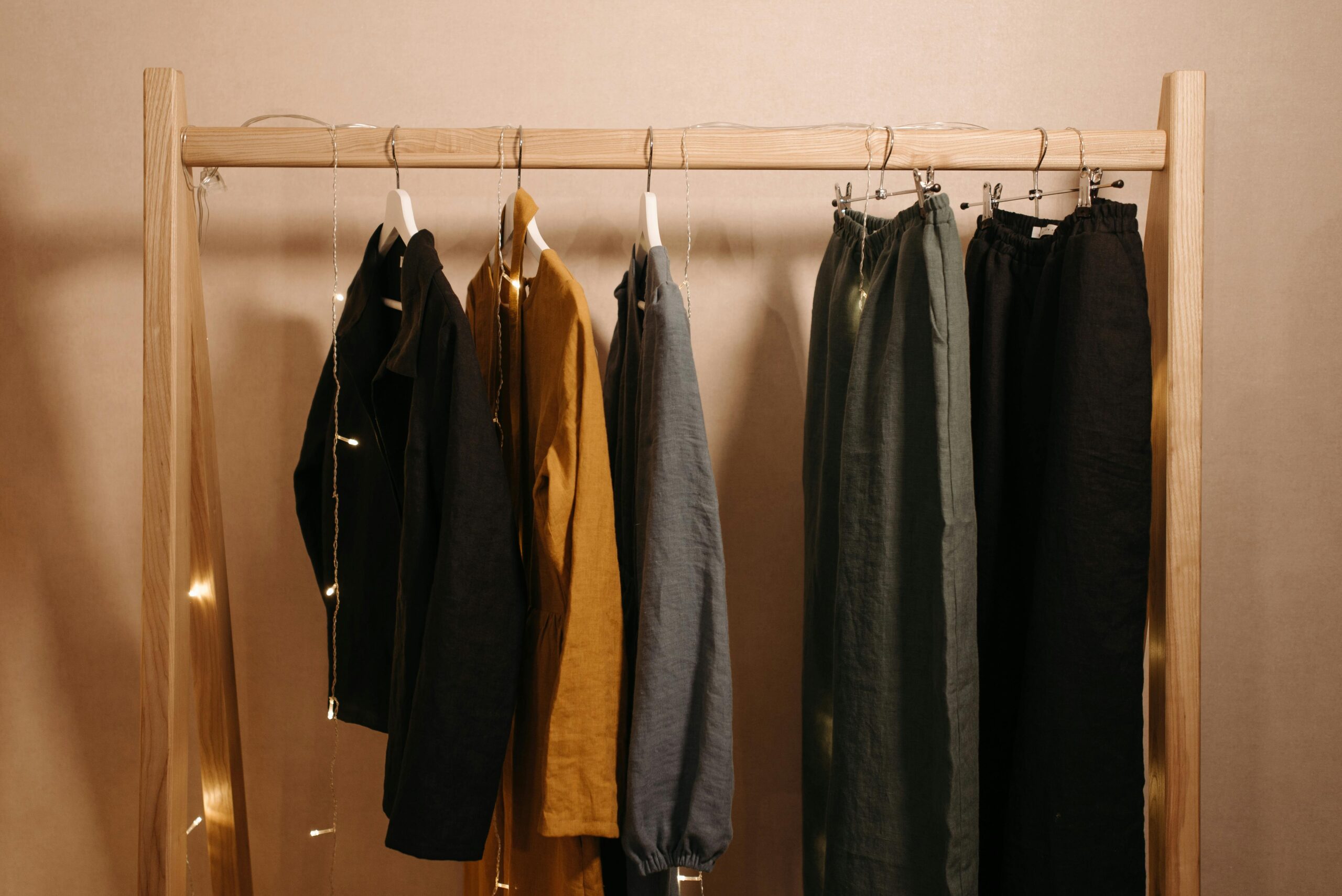
Invest in quality hangers that maintain garment shape. Proper storage prevents unnecessary wrinkles, stretching, or damage. Fold heavier knits rather than hanging them to prevent shoulder distortion, and use cedar blocks or lavender sachets to deter moths naturally without chemical treatments.
🎨 Developing Your Personal Style Within the Framework
While this guide emphasizes versatility and timelessness, your wardrobe should still reflect your personality. The framework provided creates a foundation, but personal touches make it distinctly yours. Perhaps you gravitate toward earth tones rather than cool grays, or prefer vintage-inspired pieces over modern minimalism.
The 80/20 rule applies beautifully here: let 80% of your wardrobe consist of versatile, coordinating basics, while 20% expresses personality through statement pieces, favorite colors, or signature items. This balance ensures functionality without sacrificing individuality.
Developing personal style takes time and experimentation. Pay attention to compliments you receive and outfits where you feel most confident. These clues reveal what works for your body type, lifestyle, and aesthetic preferences. Over time, patterns emerge that guide future purchases toward increasingly refined personal style.
The Financial Wisdom of Wardrobe Versatility 💰
Beyond convenience and style, a versatile wardrobe makes excellent financial sense. The cost-per-wear metric reveals the true value of clothing. A $200 jacket worn 100 times costs $2 per wear, while a $50 jacket worn 5 times costs $10 per wear. Quality pieces in versatile styles deliver superior long-term value.
Reducing impulse purchases and trend-chasing saves substantial money annually. The average person spends significantly on clothes they rarely wear. Redirecting this spending toward fewer, better pieces that integrate seamlessly with existing items maximizes wardrobe utility while often reducing overall spending.
Consider the hidden costs of a poorly planned wardrobe: dry cleaning for finicky fabrics, replacements for poor-quality items, storage solutions for excess clothing, and the time spent managing an unwieldy closet. A streamlined, versatile wardrobe eliminates many of these expenses while delivering better results.
Making Your Wardrobe Work Right Now ✨
Transforming your wardrobe doesn’t require discarding everything and starting fresh. Begin by identifying gaps in your current collection based on the principles outlined. Perhaps you own plenty of tops but lack versatile bottoms, or have no effective layering pieces. Address these gaps strategically over time.
Create a wishlist prioritizing pieces that maximize outfit combinations. Rather than randomly acquiring items, this intentional approach ensures each addition enhances overall versatility. Track this list on your phone to reference when shopping opportunities arise.
Experiment with combinations you haven’t tried before using pieces you already own. Often, the versatility you seek already exists in your closet, but habitual outfit repetition obscures possibilities. Dedicate time to trying new combinations, photographing successful outfits for future reference.
Remember that building a truly versatile wardrobe is a journey rather than a destination. Style evolves, bodies change, and lifestyles shift. The principles remain constant, but the specific application adapts. By mastering these fundamentals, you develop the knowledge to maintain effortless style regardless of external changes, ensuring you always look and feel your best with minimal effort and maximum confidence.
