
Anúncios
Fashion doesn’t have to drain your wallet. With the right strategies and mindset, you can look trendy, feel confident, and maintain a stylish wardrobe without spending a fortune.
Understanding the True Cost of Fast Fashion vs. Smart Shopping 💰
Before diving into money-saving tips, it’s essential to understand that staying stylish on a budget isn’t about buying the cheapest items available. It’s about making informed decisions that balance quality, longevity, and current trends. Fast fashion might seem budget-friendly initially, but poorly made garments that fall apart after a few washes actually cost more in the long run.
Anúncios
The key is developing a strategic approach to shopping that prioritizes value over volume. This means investing in versatile pieces that can be styled multiple ways while strategically incorporating trendy items that won’t break the bank. When you shift your mindset from impulse buying to intentional purchasing, your entire relationship with fashion transforms.
Building a Capsule Wardrobe Foundation 👗
The cornerstone of budget-friendly style is a well-curated capsule wardrobe. This concept focuses on owning fewer, higher-quality pieces that work seamlessly together, creating countless outfit combinations. A typical capsule wardrobe consists of 30-40 versatile items including tops, bottoms, dresses, outerwear, and shoes.
Anúncios
Start by identifying your personal style and lifestyle needs. Are you dressing for office work, casual outings, or a mix of both? Choose neutral base colors like black, white, navy, beige, and gray for your foundation pieces. These timeless items should include well-fitted jeans, classic blazers, plain t-shirts, and comfortable shoes that never go out of style.
Essential Capsule Wardrobe Pieces
- Two pairs of quality jeans in different washes
- Classic white button-down shirt
- Little black dress or tailored jumpsuit
- Neutral blazer that fits perfectly
- Quality leather or vegan leather jacket
- Comfortable ankle boots and classic sneakers
- Versatile coat for your climate
- Five to seven basic tops in various necklines
Mastering the Art of Thrift Shopping and Secondhand Finds 🛍️
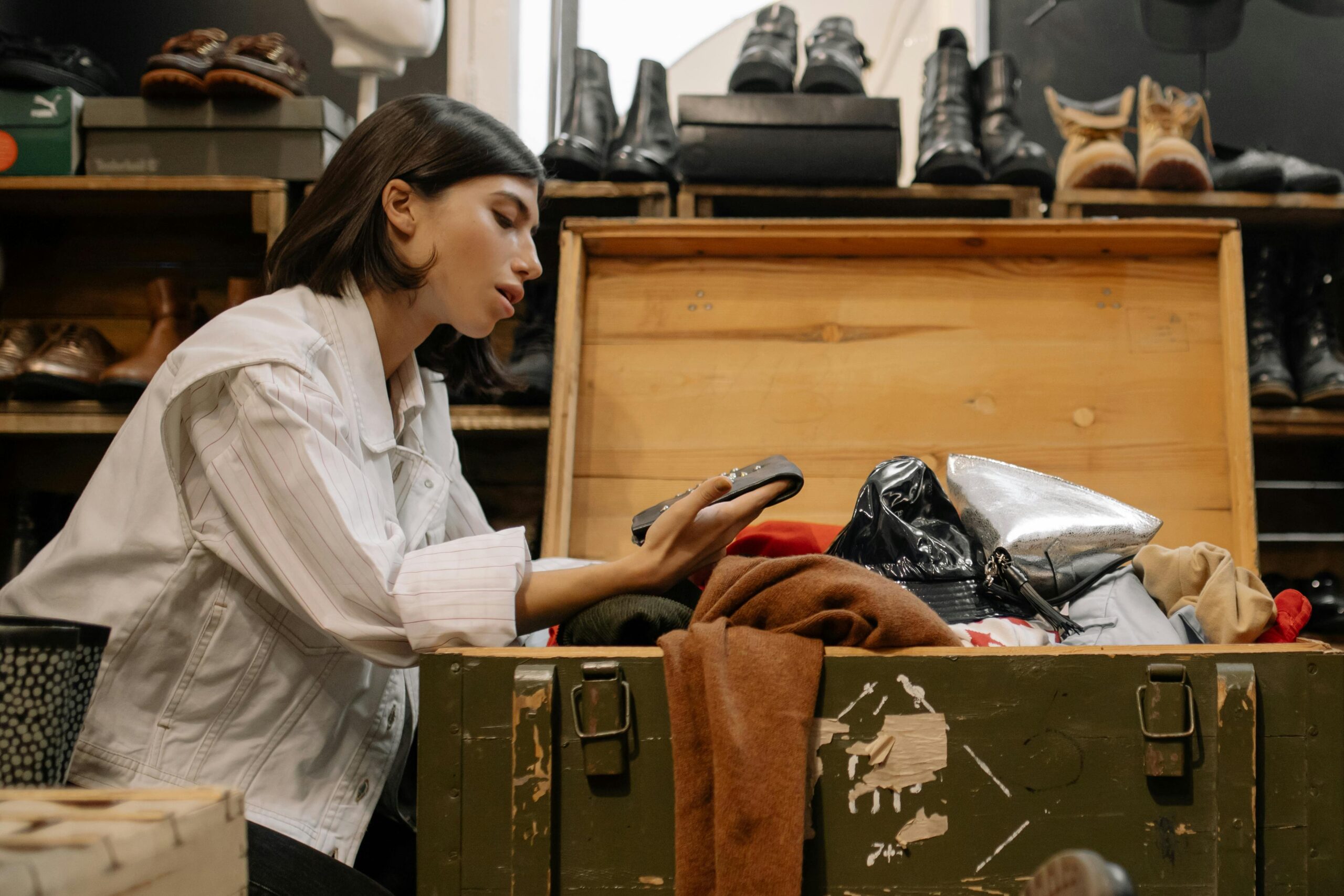
Thrift stores, consignment shops, and online resale platforms have become goldmines for fashion-conscious budget shoppers. These venues offer designer pieces, vintage treasures, and barely-worn contemporary items at a fraction of original retail prices. The key to successful thrift shopping lies in patience, persistence, and knowing what to look for.
When thrift shopping, always inspect items carefully for stains, tears, missing buttons, or broken zippers. Check fabric composition labels—natural fibers like cotton, wool, silk, and linen typically hold up better than synthetics. Don’t shy away from pieces that need minor alterations; a simple hem or taking in the waist can transform an ill-fitting garment into a perfect piece.
Online resale platforms like Poshmark, Depop, ThredUp, and Vinted have revolutionized secondhand shopping, allowing you to browse thousands of items from your phone. These apps often have sophisticated search filters to help you find specific brands, sizes, and styles quickly.

Timing Your Purchases Strategically ⏰
Knowing when to shop can save you hundreds of dollars annually. Retailers follow predictable seasonal cycles, offering deep discounts during specific times of the year. End-of-season sales provide the best opportunities to score quality pieces at reduced prices—think buying winter coats in March or swimwear in September.
Major shopping holidays like Black Friday, Cyber Monday, and post-holiday sales offer significant savings, but don’t limit yourself to these obvious times. Many stores offer additional discounts on already-reduced clearance items mid-week when foot traffic is lower. Signing up for store newsletters and following favorite brands on social media keeps you informed about flash sales and exclusive promotions.
Best Times to Buy Specific Items
- January: Winter clothing, party dresses, fitness gear
- April-May: Spring clothing transitioning to summer
- July-August: Swimwear, summer clothes, sandals
- September: Back-to-school sales on basics
- November: Almost everything during Black Friday sales
- December: After-Christmas clearance events
Incorporating Trends Without the Investment 🎨
Trends come and go quickly, which is why spending significant money on ultra-trendy pieces rarely makes financial sense. Instead, incorporate current trends through accessories, makeup, or inexpensive statement pieces that update your classic wardrobe without requiring a complete overhaul.
For example, if animal print is trending, you don’t need an entire leopard-print outfit. A patterned scarf, belt, or pair of earrings can give you that trendy look while costing a fraction of clothing items. Similarly, trendy colors can be incorporated through nail polish, lipstick, or small accessories rather than expensive garments.
Fast fashion retailers like H&M, Zara, and Uniqlo offer trend-focused pieces at lower price points, making them ideal for experimenting with styles you’re unsure about. However, reserve these purchases for truly temporary trends and invest more in timeless pieces you’ll wear for years.
DIY Fashion: Customizing and Upcycling Your Wardrobe ✂️
One of the most budget-friendly ways to stay stylish is by transforming what you already own. Simple DIY projects can breathe new life into tired pieces, create unique statement items, and help you develop a signature style that can’t be replicated.
Basic sewing skills open up endless possibilities. Learn to hem pants, replace buttons, take in seams, or add embellishments. YouTube offers countless free tutorials teaching everything from basic repairs to advanced alterations. A simple sewing kit costs less than one new shirt but can extend the life of dozens of garments.
Easy DIY Fashion Projects for Beginners
- Distressing jeans for a trendy, worn-in look
- Adding patches or embroidery to plain jackets
- Cropping oversized t-shirts or sweatshirts
- Tie-dyeing white pieces for color and pattern
- Converting old jeans into shorts or skirts
- Adding studs or rhinestones to accessories
- Bleaching denim for a customized wash
Smart Shopping Apps and Browser Extensions 📱
Technology has made budget shopping easier than ever. Price comparison apps, cashback programs, and coupon extensions help you find the best deals without spending hours researching. These tools work passively in the background, alerting you to sales and automatically applying discounts at checkout.
Browser extensions like Honey, Capital One Shopping, and Rakuten automatically search for coupon codes and apply them to your purchases. Cashback apps reward you with percentages back on purchases you were already planning to make. Over time, these small savings accumulate into significant amounts that can fund future fashion purchases.
Price tracking apps monitor items you’re interested in and notify you when prices drop. This prevents impulse buying at full price and ensures you get the best possible deal. Many apps also compare prices across multiple retailers, showing you where specific items are cheapest.
Clothing Swaps and Community Fashion Sharing 🔄
Clothing swaps offer a completely free way to refresh your wardrobe while connecting with your community. These events involve gathering with friends, colleagues, or community members to exchange gently used clothing items. What you’re tired of might be exactly what someone else is searching for, and vice versa.
Organize a clothing swap with friends by setting clear guidelines—items should be clean, in good condition, and seasonally appropriate. Create a welcoming atmosphere with refreshments and good lighting for trying on clothes. Any unclaimed items can be donated to local charities, giving them a second life while supporting good causes.
Online clothing swap platforms and local Facebook groups dedicated to clothing exchanges have emerged in many communities. These digital options provide similar benefits without requiring in-person meetups, perfect for those with busy schedules or limited local networks.
Accessorizing: Maximum Impact, Minimum Investment 💍
Accessories possess transformative power, completely changing an outfit’s vibe while requiring minimal financial investment. A simple outfit of jeans and a white t-shirt can look casual with sneakers and a backpack, professional with loafers and a structured bag, or evening-ready with heels and statement jewelry.
Build an accessory collection strategically, focusing on versatile pieces that complement multiple outfits. Scarves, belts, jewelry, bags, and shoes should coordinate with your color palette and personal style. Inexpensive accessories from budget retailers can look surprisingly high-end when styled correctly and maintained well.
Experiment with bold, trendy accessories while keeping clothing classic. This approach allows you to embrace current styles without committing significant money to pieces that might feel dated next season. Statement earrings, trendy sunglasses, or an on-trend belt cost far less than clothing items and make stronger style statements.
Caring for Your Clothes to Extend Their Life 🧺
The most budget-friendly fashion strategy is making what you already own last longer. Proper care significantly extends garment lifespan, reducing replacement frequency and saving money. Most clothing damage results from improper washing, drying, and storage rather than normal wear.
Always check care labels and follow instructions. When in doubt, hand wash or use gentle cycles with cold water to prevent shrinkage and color fading. Air drying preserves fabric integrity better than machine drying, which causes shrinkage, fading, and wear from heat and tumbling. Invest in quality hangers that maintain garment shape and prevent stretching or creasing.
Essential Clothing Care Tips
- Turn clothes inside out before washing to protect outer surfaces
- Use mesh laundry bags for delicates and small items
- Wash jeans less frequently to preserve color and shape
- Remove clothing from the dryer while slightly damp to prevent wrinkles
- Store woolens with cedar blocks to prevent moth damage
- Treat stains immediately before they set
- Rotate shoes regularly to allow them to air out properly
- Polish leather goods to maintain their appearance and durability
Developing Your Personal Style Rather Than Following Every Trend 🌟
The ultimate budget fashion secret is developing a strong personal style that makes you feel confident regardless of current trends. When you understand what works for your body type, lifestyle, and aesthetic preferences, you make fewer purchasing mistakes and build a cohesive wardrobe that serves you well.
Spend time identifying style inspirations through Pinterest boards, Instagram saves, or fashion magazines. Notice patterns in what you’re drawn to—specific colors, silhouettes, or aesthetics. This self-awareness prevents impulse purchases that don’t align with your actual style, saving money on items that would sit unworn in your closet.
Remember that personal style evolves gradually. Don’t pressure yourself to completely overhaul your wardrobe overnight. Make small, intentional additions that feel authentic rather than chasing every passing trend. This measured approach not only saves money but also results in a more cohesive, wearable wardrobe.
Creating Outfit Formulas for Effortless Style 👔
Outfit formulas eliminate daily styling stress while maximizing your existing wardrobe. These are simple combinations that work reliably, like “fitted jeans + tucked-in blouse + blazer + ankle boots” or “midi skirt + tucked tee + sneakers + denim jacket.” Once you identify formulas that work for your body and lifestyle, getting dressed becomes faster and more successful.
Document your favorite outfits by taking photos when you feel particularly confident in an ensemble. This creates a personal lookbook you can reference during rushed mornings or creative blocks. Many people own plenty of clothing but struggle with combining pieces effectively, leading to repeated wear of the same few outfits while other items languish unused.
Borrowing for Special Occasions 🎉
Special events often tempt us to buy expensive pieces we’ll rarely wear. Instead, consider borrowing from friends, renting from formal wear services, or shopping rental apps specifically designed for occasion wear. Renting allows access to designer pieces and high-quality formal wear at a fraction of purchase prices.
Clothing rental services have expanded beyond formal gowns to include everyday designer wear, allowing fashion enthusiasts to constantly refresh their wardrobes without ownership costs. While rental fees add up if used constantly, they make financial sense for occasional needs or testing expensive pieces before committing to purchases.
Making Budget Fashion Work Long-Term 💪
Staying stylish on a budget requires shifting from a consumption mindset to one of curation and creativity. It’s not about deprivation or wearing outdated clothes—it’s about being intentional with purchases, maximizing what you own, and finding joy in creative styling rather than constant acquisition.
Track your clothing budget and spending patterns for several months to identify where money goes and where you can adjust. Many people are surprised to discover they spend significant amounts on impulse purchases they barely wear, while neglecting investment pieces that would serve them better. This awareness naturally guides more strategic future purchases.
Remember that true style isn’t about wearing the latest trends or most expensive brands—it’s about confidence, self-expression, and wearing clothes that make you feel authentically yourself. Budget constraints often spark creativity, leading to more interesting and personal style than simply buying everything advertised as trendy. Embrace the challenge of budget fashion as an opportunity to develop your unique aesthetic while building smart financial habits that benefit every area of your life.
